

Skip to content

Pinched Nerves

Chronic pain | Back painAcupuncture for Pinched Nerve Pain in Metairie, LA | Big Easy Acupuncture

A pinched nerve can cause sharp pain, tingling, numbness, or weakness that interferes with daily movement. These symptoms often develop when surrounding muscles, discs, or joints place pressure on a nerve.

Many people search for acupuncture for pinched nerve pain when symptoms like tingling, numbness, or radiating pain begin interfering with daily activities.

Acupuncture treatment can help relieve pinched nerve pain by reducing muscle tension, improving circulation, and supporting normal nerve signaling.

At Big Easy Acupuncture & Herbal Medicine in Metairie, treatments focus on identifying where nerve compression is occurring and helping the body restore normal movement and function.

Will acupuncture help a pinched nerve? The answer for many is YES!  In this article, we’ll explore the science behind acupuncture and how it can provide relief for this common condition.


What Is a Pinched Nerve?

A pinched nerve occurs when too much pressure is applied to a nerve by surrounding tissues, bones, cartilage, muscles, or tendons. Many areas of the body can experience issues with a pinched nerve. Nerve signaling can be disrupted when a nerve becomes stretched, compressed, shortened, or irritated. This pressure disrupts the nerve’s function, leading to symptoms like pain, tingling, numbness, weakness, or mobility loss.

A few types of pinched nerve conditions include:

Bulging Disc – A spinal disc can bulge outward from the spinal column. When this happens, the space where nerves exit the spine may narrow, creating pressure on nearby nerves. Tight muscles around the spine can also contribute to this compression.

Herniated Disc – The soft center of a spinal disc pushes through a crack in the outer layer of the disc, which may irritate nearby nerves.

Carpal Tunnel Syndrome – Compression of the median nerve in the wrist. Scar tissue or tight structures in the wrist can place pressure on the nerve.

Cubital Tunnel Syndrome – Compression of the ulnar nerve near the elbow, causing pain, tingling, numbness, or weakness in the hand or ring finger.

Cervical Radiculopathy – A pinched nerve in the neck caused by compression of a cervical nerve root, which may lead to neck stiffness, arm pain, and tingling in the hands.

Sciatica – Compression of the sciatic nerve, which travels from the lower back down the leg.

Repetitive Muscular Strain – Overuse of muscles or tendons that leads to tightness and nerve compression.
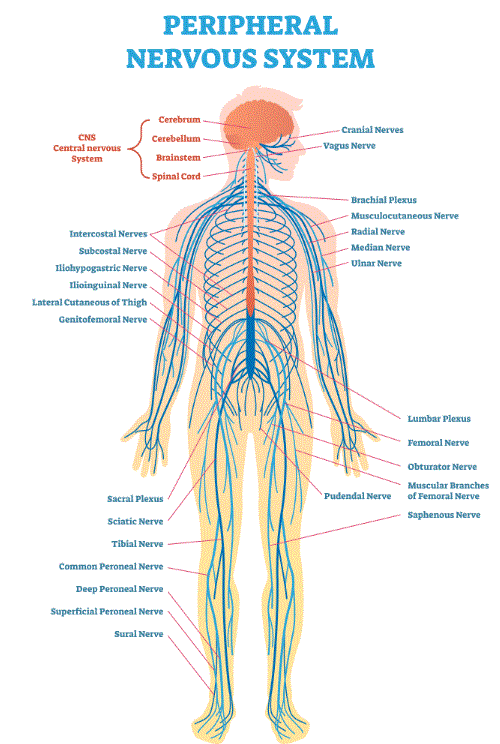

Peripheral Nerve Pathways

Symptoms of a Pinched Nerve

A pinched nerve can create a variety of symptoms depending on the location of the compression. Common symptoms include:

  • Sharp or burning pain
  • Tingling or “pins and needles” sensations
  • Numbness in the arms, hands, legs, or feet
  • Muscle weakness
  • Pain that radiates along a nerve pathway
  • Reduced mobility or strength

Symptoms may worsen with certain movements or positions, especially when nerves are compressed near joints or the spine.

What Causes a Pinched Nerve?

Pinched nerves can occur when surrounding structures place pressure on a nerve. Common causes include:

  • Herniated or bulging discs
  • Muscle tightness or spasms
  • Joint inflammation
  • Repetitive strain injuries
  • Poor posture or prolonged sitting
  • Scar tissue from previous injuries
  • Degenerative spinal changes

Addressing both the nerve irritation and the surrounding muscular tension is often important for long-term improvement.

How Does Acupuncture Work?

Acupuncture blends traditional Chinese medicine with modern anatomical understanding of muscles, nerves, and connective tissue to support nerve function, mobility, strength, and overall physical health. Thin needles are placed into specific points in the body to influence muscles, nerves, and connective tissues.

Traditional acupuncture focuses on restoring the flow of “Qi,” or vital energy, through the body’s channels. Sports Medicine Acupuncture approaches the body from a functional perspective, targeting motor points and nerve pathways that influence muscle activation and movement. These approaches complement each other and help restore normal muscle tone, nerve signaling, and coordinated movement.

Modern research has identified several ways acupuncture supports pain relief and nerve recovery.

  • Nervous system activation – Stimulating acupuncture points triggers the release of endorphins and neurotransmitters that help reduce pain signals.
  • Muscle relaxation – Releasing tight or shortened muscles can reduce pressure placed on nearby nerves.
  • Improved circulation – Increased blood flow brings oxygen and nutrients to irritated tissues, helping them recover.
  • Electro-acupuncture stimulation – Targeted electrical frequencies can help normalize dysfunctional nerve signaling patterns.

Together, these effects help reduce irritation around compressed nerves and support the body’s ability to restore normal movement and function.


How Acupuncture Helps Treat Pinched Nerve Pain

Pain Relief – Acupuncture releases natural painkillers, providing significant relief from the sharp, shooting pain typical of pinched nerves

Reduced Muscle Tension– Acupuncture releases tight bands of muscles that pinch nerves & radiate pain. Reducing muscle tension increases the flow of fluids to the tissues and helps with normal signaling patterns of the nerves.

Improved Blood Flow – Acupuncture boosts circulation to the affected area, bringing oxygen and nutrients that support tissue repair, reduce spasmed areas, and help reduce pressure on irritated nerves.

Reduced Inflammation – It modulates the inflammatory response, decreasing swelling and pressure around the nerve.

Improved Nerve Function – Enhanced blood flow and reduced muscle tension aid in restoring normal nerve function, relieving numbness and weakness.

Enhanced Mobility & Strength – Acupuncture improves range of motion & strength. Less compression of nerves leads to easier mobility & increased signal to muscles for strength for those with pinched nerve issues.

Clinical research and in-clinic experience both suggest acupuncture can be an effective treatment for pinched nerve pain and related nerve compression conditions.


What to Expect During Acupuncture Treatment

If you decide to try acupuncture for your pinched nerve, here’s what you can expect:

Initial Consultation – Your acupuncturist will take a detailed history of your symptoms and overall health to develop a personalized treatment plan. Mobility & strength of the upper and lower body will also be assessed.

Needle Insertion– The acupuncturist will insert thin, sterile needles into specific acupoints. You may feel a slight tingling or warmth, but the process is generally painless. The insertion can be either quick releases of muscle tissue, retained needles, or a combination depending on your treatment plan. Electro-Acupuncture is applied as needed.

Relaxation Period – The needles will stay in place for ~20 minutes while you relax. Many patients find this part of the treatment very calming.

Follow-Up Sessions – Multiple sessions are often needed for optimal results. Your acupuncturist will recommend a treatment schedule based on your condition.

What To Expect At Your First Visit (Full Article)


How Many Treatments Will I Need?

Care is typically focused on two main goals: helping your body recover and supporting long-term stability.


Recovery: Feel Right → Move Free

This phase focuses on calming irritation, restoring muscle function, and helping your body move more comfortably and confidently again. As your body improves, visits are spaced further apart.

Maintenance: Live Easy

Once movement and symptoms are stable, some people choose occasional care to maintain progress or address smaller issues early. Others simply return if symptoms change in the future.


Acute conditions

If you are dealing with recent injuries or sudden issues within the last few months, you may notice significant improvement after just a few sessions. Typically acute conditions require only 1–5 treatments compared to long-term issues.

Chronic conditions

Chronic issues or long-term systemic conditions usually require more sessions. A typical plan involves 2 visits per week for the first 2–3 weeks, with treatments spreading out as you progress.

Chronic issues often need more total sessions and may benefit from follow-up or maintenance care.

Maintenance

Many patients choose occasional visits to keep pain from returning and to support active lifestyles.


Learn more about related conditions and FAQs


Can acupuncture help with pinched nerve pain?

The answer for many is YES! Acupuncture offers a natural, non-invasive way to alleviate pain, reduce inflammation, and improve nerve function. If you’re struggling with a pinched nerve, consider consulting a licensed acupuncturist to see if this ancient practice could be the key to your relief.

Where Pinched Nerves Commonly Occur

Pinched nerves can occur in several areas of the body, including:

  • Neck
  • Lower back
  • Wrist
  • Elbow
  • Shoulder or upper back nerve irritation

Each location may create different symptoms depending on the nerve involved.

What We Treat (Main Page) 

Cubital Tunnel Syndrome

Carpal Tunnel Syndrome

Sciatica

FAQs


Pinched Nerve Treatment in Metairie, LA

If you are dealing with symptoms of a pinched nerve in Metairie, New Orleans, or the surrounding areas, acupuncture may help relieve pain and restore mobility.

At Big Easy Acupuncture & Herbal Medicine, treatments combine:

• Sports Medicine Acupuncture
• Electro-acupuncture
• Functional mobility testing
• Manual therapy
• Strength and movement assessment

Each treatment plan is designed to help reduce nerve irritation while restoring comfortable movement.

📞 Call or Text: 504-650-0027
💻 Schedule Online: bigeasyacu.janeapp.com

Feel Right. Move Free. Live Easy.

Both comments and trackbacks are closed.
504-650-0027 Directions Contact/Schedule