In most cases, yes. Many people can safely return to exercise after acupuncture, especially if treatment was focused on recovery, mobility, performance, stress reduction, or general muscle tension.
Light movement, walking, mobility work, and technique-focused training are often appropriate immediately after treatment.
More intense exercise may be appropriate depending on your symptoms, injury status, and how your body responds.
If you are recovering from an acute injury or feel unusually fatigued after treatment, temporary rest may be recommended.
Modern sports medicine has evolved far beyond rest, ice, and painkillers. Today’s athletes, both professional and recreational alike, are increasingly supported by multidisciplinary care teams that may include physicians, physical therapists, athletic trainers, chiropractors, nutritionists, and mental performance coaches. Within this integrated model, acupuncture has emerged as a powerful complementary therapy, bridging ancient medical wisdom with contemporary sports science. continue reading »
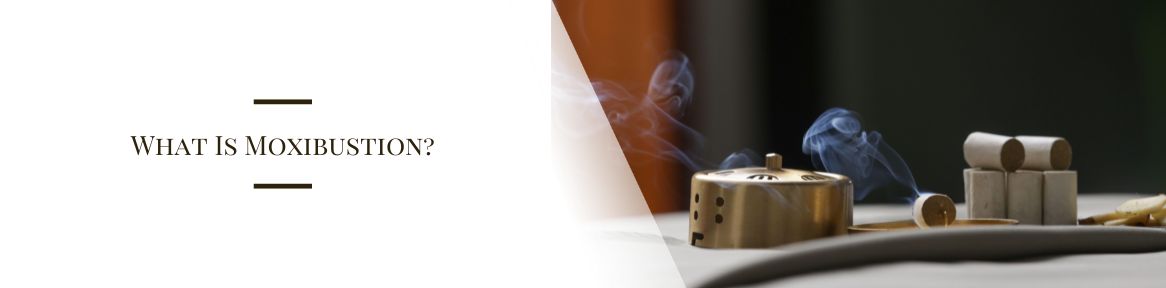
Moxibustion is a traditional therapy rooted in East Asian medicine that involves the application of heat to specific points on the body using moxa, a dried form of the herb Artemisia argyi (commonly known as mugwort). The goal is simple but powerful: warm the body, stimulate circulation, and support the natural flow of energy, often referred to as qi, to promote healing and overall well-being. continue reading »
For many chronic health issues, everyday exposures matter most. Food isn’t only fuel. It’s raw material, signaling molecules, and a daily set of “instructions” your body reads repeatedly.
The idea of food as medicine isn’t new. It shows up in traditional healing systems, in public health, and increasingly in modern clinical research. The most useful way to think about it today is practical and evidence-based:
Food can reduce risk (primary prevention).
Food can support treatment alongside medical care (adjunct therapy).
Food can change symptoms by affecting inflammation, blood pressure, lipids, glucose, the gut microbiome, and even brain signaling.
It won’t replace necessary medications or procedures. But in many cases, it can meaningfully shift the trajectory of health and sometimes quickly.continue reading »
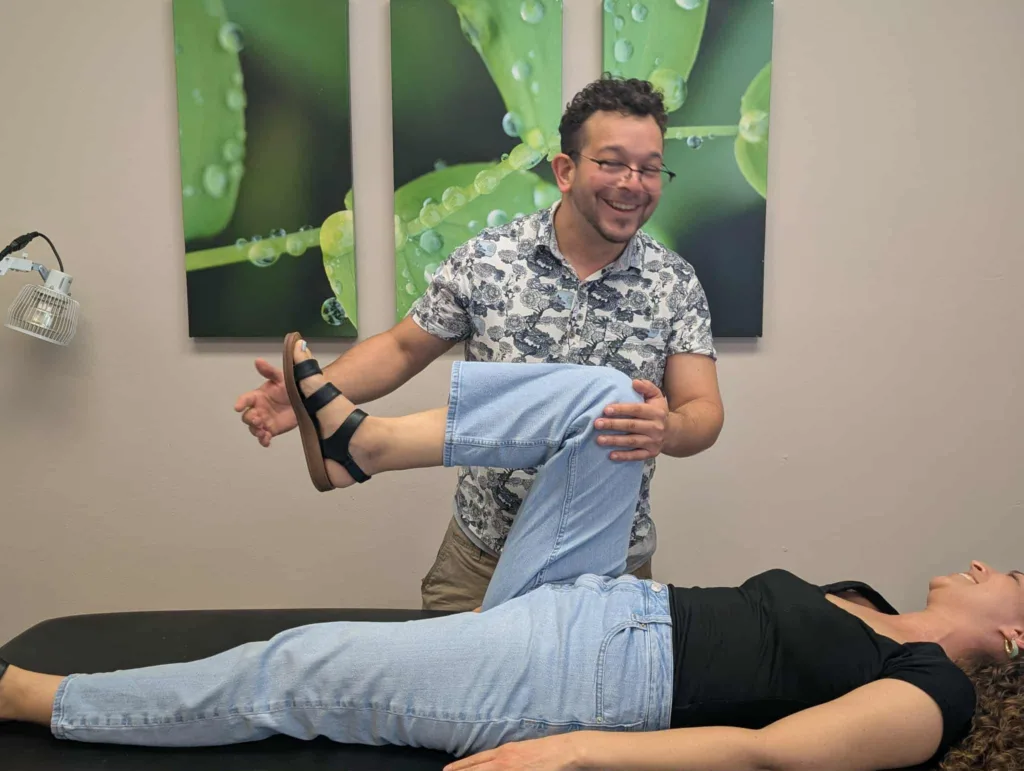
Orthopedic mobility testing helps identify the root cause of pain before starting acupuncture treatment
Functional Mobility & Strength Testing
Movement Metrics at Big Easy Acupuncture | Metairie, LA
Many people seek treatment for pain, stiffness, or limited movement. At Big Easy Acupuncture & Herbal Medicine, the goal is not only to reduce pain, but to understand why the problem developed in the first place.
Orthopedic mobility testing helps identify the root cause of pain or movement restriction before treatment begins. By evaluating how joints move, how muscles activate, and how the body coordinates movement, we can better understand what is driving the problem.
This allows treatment to focus on restoring proper function, helping patients experience stronger, longer-lasting results instead of temporary relief.
Many treatments focus only on where pain is located. At Big Easy Acupuncture & Herbal Medicine, we focus on how your body is functioning.
Pain often develops when joints lose mobility or when certain muscles stop supporting movement the way they should. Over time, other muscles begin to compensate. This can lead to irritation, weakness, and recurring injuries.
These changes often show up during normal activities such as reaching overhead, lifting objects, walking, exercising, or sitting at a desk for long periods of time.
To understand what is happening in your body, we measure functional mobility and strength.
Why Movement & Strength Metrics Matter
Mobility and strength testing provide objective information about how your body is functioning.
Instead of relying only on symptoms, we measure where movement or strength falls outside normal ranges. These metrics help guide treatment and allow us to track changes over time.
As mobility improves and inhibited muscles begin activating again, patients often notice improvements in pain, movement confidence, and daily function. continue reading »
Posted in Uncategorized | Comments Off on Functional Mobility & Strength Testing
Do any of these scenarios sound like your life: a stubborn knot between the shoulder blades, a low-back flare that keeps returning, or a neck that feels “stuck” after long hours at a desk? Acupuncture needles can calm the nervous system and change pain signaling and cupping can mechanically decompress tight tissue and improve local circulation. Used together thoughtfully and safely they’re often paired to help pain move from “sharp and guarded” to “dull and workable,” and then to “resolved or manageable.” continue reading »
The clinic was quiet except for the soft hum of a small device on the treatment table. A runner lay comfortably, acupuncture needles placed along her calf and lower back to address chronic pain that kept her from her regular running routine.
Because of the chronic and nagging injury, she turned to acupuncture to find healing. But it wasn’t quite what she expected. Rather than simply resting with the needles inserted, the practitioner gently attached thin leads to several of the needles and turned on a device that sent a gentle electrical current through them. A subtle pulsing sensation began, almost like tiny waves moving through her muscles. Within minutes, she felt her body responding, warming, releasing.
This therapy was electroacupuncture, a technique blending the longstanding principles of traditional acupuncture with modern electrical stimulation.continue reading »
Minor bleeding can occasionally occur with acupuncture, but it is uncommon. If it does happen, it is usually just a small amount of blood that stops quickly.
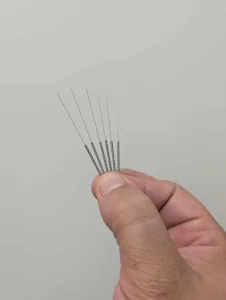
Acupuncture needles are extremely thin and solid. They are very different from the hollow needles used for injections or blood draws. Because of their size and design, they gently pass through the skin rather than cutting through tissue.
Some people may notice mild soreness or a small bruise at a needle site. These effects are temporary.
Before treatment begins, it is helpful to inform your practitioner about any medications you are taking or medical conditions you have. Bringing an updated list of medications and relevant medical history helps ensure treatment is planned safely and appropriately.
Overall, acupuncture has a long history of safe use when performed by a licensed practitioner. If you have any questions or concerns, discussing them beforehand can help you feel more comfortable and prepared for your session.
Posted in | Comments Off on Does Acupuncture Cause Bleeding?
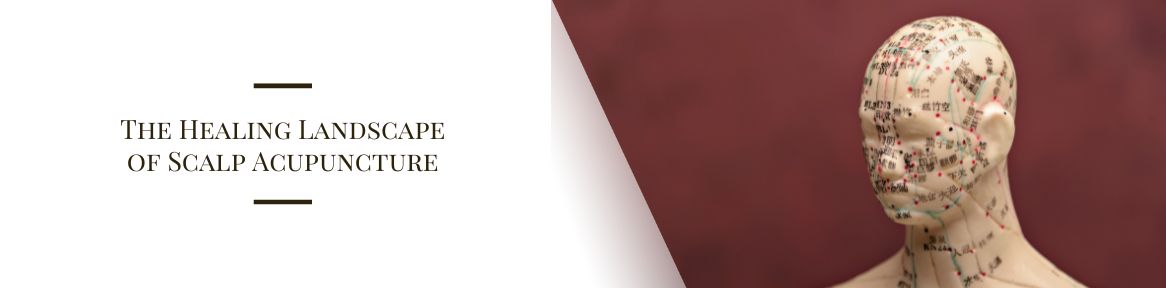
Many healing journeys begin in unexpected places. For some, recovery starts not in the muscles of the back or the ligaments of a knee, but in the quiet landscape of the scalp, an area often overlooked except for styling, washing, and the occasional headache. Yet, for many people seeking relief from neurological, physical, and emotional challenges, scalp acupuncture is becoming a compelling bridge to healing.continue reading »
Wear loose, comfortable clothing that allows easy access to your arms, legs, neck, shoulders, and lower back.
Good options include:
Loose pants, sweatpants, or shorts
T-shirts or tops with flexible necklines
Clothing you can easily roll up or adjust
Comfort helps your body relax and allows your acupuncturist to treat the areas that need care.
What should I avoid wearing to acupuncture?
Try to avoid:
Tight or restrictive clothing
High-collared shirts or turtlenecks
Sports bras that cannot be loosened or unclasped
Tight sleeves or wrist cuffs
Heavy jewelry, watches, or rings
These can limit access and make it harder to get comfortable during treatment.
Should I remove jewelry or accessories?
Yes. Removing rings, bracelets, watches, necklaces, and large earrings is recommended. Accessories can interfere with treatment or feel uncomfortable when lying down.
Do I need to tie my hair back?
If you have long hair, tying it back is helpful, especially for neck, shoulder, or back treatments. This keeps hair from interfering with needling and positioning.
What kind of shoes should I wear?
Wear shoes that are easy to remove. This allows easy access to the feet or ankles if needed during treatment.
Can I come straight from work or exercise?
You can come straight from work or exercise, but comfort and access are important.
Some work clothes can be restrictive or harder to adjust during treatment. Gym clothing is often fine, as long as it allows easy access and is not overly tight.
If needed, we will give you a few minutes to change before treatment begins so you can be comfortable.
What if I am not sure what to wear?
That is okay. Your acupuncturist will guide you during your visit and help you adjust clothing as needed. You can also call the clinic if you have any other questions. Comfort and ease of movement are always the priority.
Posted in | Comments Off on What Should I Wear To Acupuncture?

 In most cases, yes. Many people can safely return to exercise after acupuncture, especially if treatment was focused on recovery, mobility, performance, stress reduction, or general muscle tension.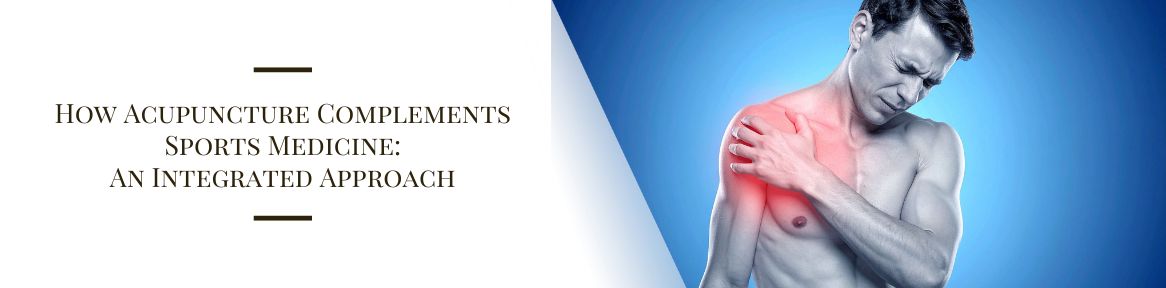

 Do any of these scenarios sound like your life: a stubborn knot between the shoulder blades, a low-back flare that keeps returning, or a neck that feels “stuck” after long hours at a desk? Acupuncture needles can calm the nervous system and change pain signaling and cupping can mechanically decompress tight tissue and improve local circulation. Used together thoughtfully and safely they’re often paired to help pain move from “sharp and guarded” to “dull and workable,” and then to “resolved or manageable.”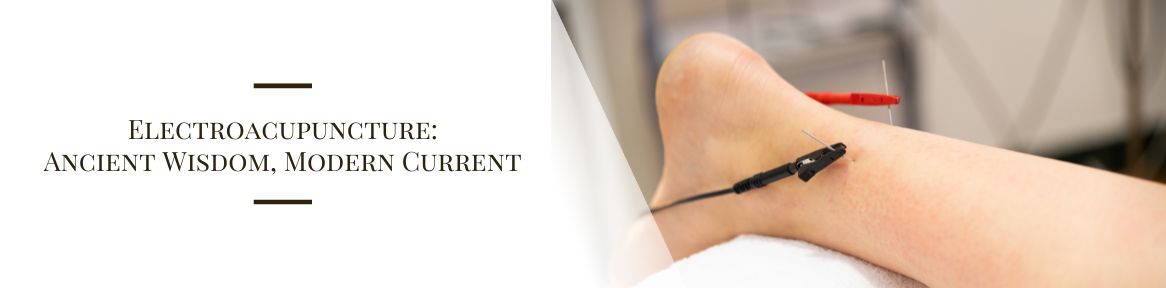
 Does Acupuncture Cause Bleeding?