Skip to content

Pain

Does Acupuncture Help with Pain?

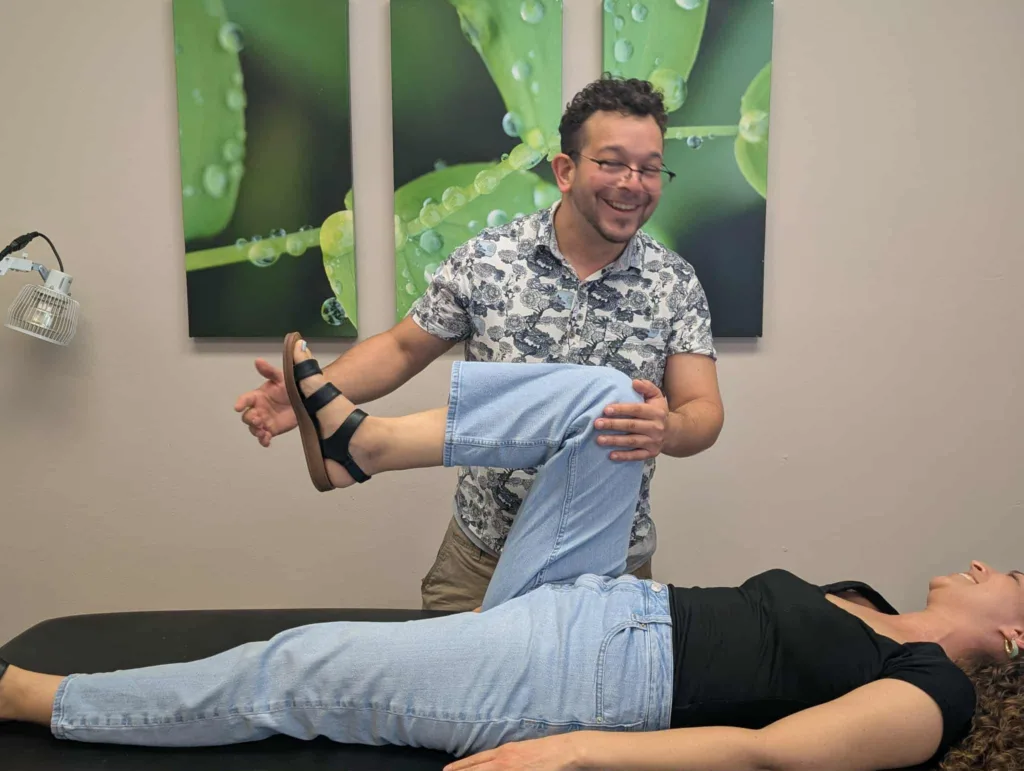
Acupuncturist performing orthopedic mobility testing for pain management in Metairie, LA
Orthopedic mobility testing helps identify the root cause of pain before starting acupuncture treatment

Introduction

Most people experience significant pain at some point in their lives—whether from an injury, arthritis, nerve issues, muscle tension, or stress. Pain is your body’s warning signal, a way of saying something is irritated, overworked, or out of balance.

Many people are told to rely on medication or “wait and see,” but that often only dulls the symptoms. If you’re tired of hitting the “snooze button” on your pain and want a more natural, root-cause approach, you may be wondering:

Pain affects everything — sleep, focus, energy, and your ability to feel like yourself. You’re not imagining it.

Does acupuncture actually help with pain?
For many patients, the answer is yes. In this article, we’ll look at how acupuncture helps relieve pain, how it compares to other options, and what you can expect at Big Easy Acupuncture & Herbal Medicine in Metairie, LA.

What Is Pain and Why Does It Become Chronic?

Pain can show up in many ways:

  • Sharp, stabbing or burning sensations
  • Achy, dull, or deep pressure
  • Pain with movement or at rest
  • Pain that radiates into the arms, legs, or head
  • Pain that interferes with sleep, work, or daily life

Short-term pain can be protective, but when pain hangs around for weeks or months, it often reflects:

  • Ongoing muscle tension or joint irritation
  • Nerve compression or inflammation
  • Poor movement patterns and posture
  • Stress keeping the nervous system “on edge”
  • Prior injuries that never fully recovered

Over time, the body can get “stuck” in a pain pattern—even after the original injury has healed. That’s where acupuncture and a hands-on, assessment-based approach can help reset the system.

Why Medication and Surgery Aren’t Always Enough

When pain is intense, turning to medication is understandable. Pain pills may:

  • Temporarily reduce discomfort
  • Make it easier to get through the day or sleep at night

But medication:

  • Doesn’t correct muscle tension, nerve irritation, or movement problems
  • Can cause side effects or dependency with long-term use
  • Often stops working as well over time

Surgery can sometimes be necessary, but it is:

  • Expensive
  • Invasive and not reversible
  • Not guaranteed to eliminate pain

Many people are looking for a safer, more natural option that addresses the cause, not just the symptom.

How Acupuncture Helps with Pain Management (Modern View)

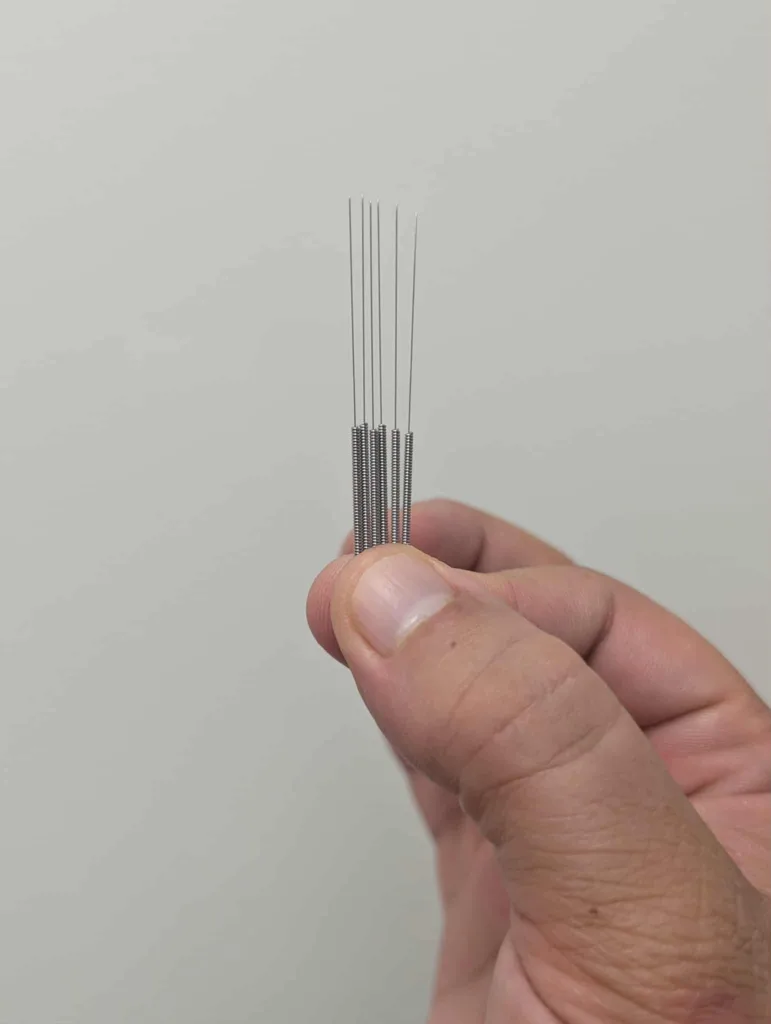
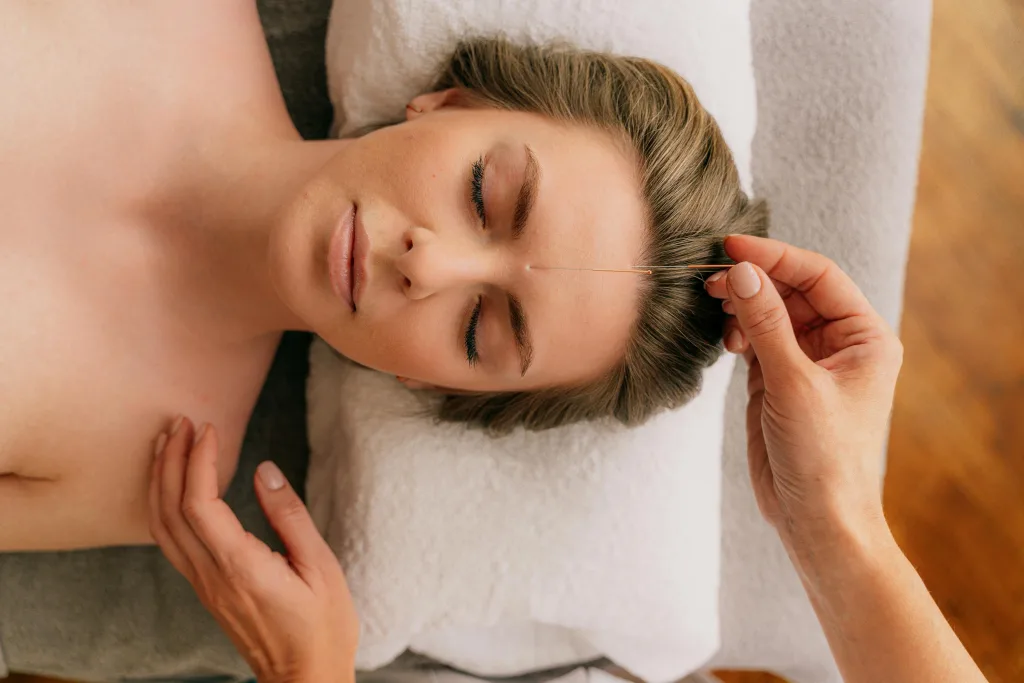
Acupuncture needles used for pain management treatments at Big Easy Acupuncture in Metairie, LA
Acupuncture needles are used to reduce pain, improve circulation, and help reset nerve and muscle patterns

Modern research shows that acupuncture can help manage pain by:

  • Releasing natural painkillers
    Stimulates endorphins and other neurotransmitters from your own body that reduce pain signals.
  • Calming the nervous system
    Helps shift the body out of “fight or flight” so muscles and nerves can relax.
  • Improving blood flow
    Increases circulation to tight or injured areas, bringing oxygen and nutrients for healing.
  • Reducing inflammation
    Modulates inflammatory pathways that contribute to swelling and pain of local and surrounding areas.
  • Resetting muscle and nerve patterns
    Especially when combined with electroacupuncture and targeted motor point work.

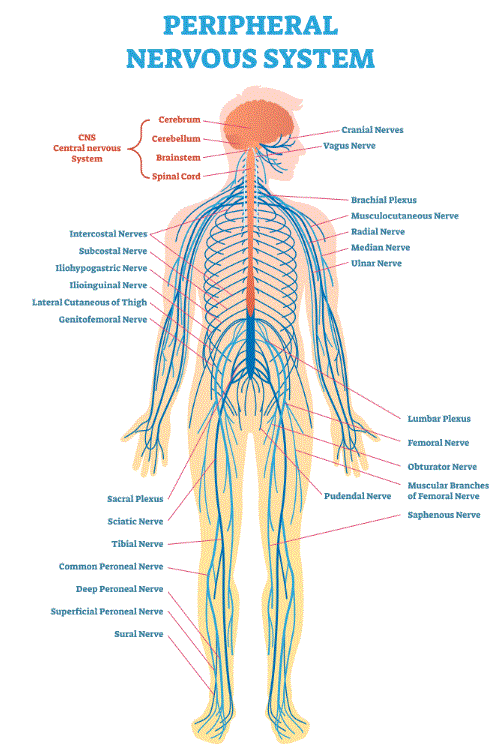
Many types of pain come from poor circulation or weak nerve signals to an area, which causes muscles to tighten over time. Nerves may also get stretched, pinched, or compressed, creating pain that travels along the nerve’s pathway. 

At Big Easy Acupuncture & Herbal Medicine, we use these principles with a strong orthopedic and sports medicine lens so treatments are both traditional, research, and anatomy based. 

The Traditional Chinese Medicine Perspective on Pain

In Traditional Chinese Medicine (TCM), pain often relates to a disruption or blockage of Qi (vital energy) and blood in the body’s meridians—pathways that supply tissues with nourishment and information.

When Qi and blood are not flowing well due to:

  • Physical or emotional stress
  • Poor diet or lifestyle
  • Injury or overuse
  • Long-term strain on joints and muscles or repetitive actions

…areas of the body can become tight, undernourished, and painful.

Acupuncture uses fine, sterile needles at specific points to:

  • Open blocked pathways
  • Restore circulation and balance
  • Support the body’s natural ability to heal

Whether you think in terms of Qi or circulation and nerve signals, the goal is the same: restore healthy flow so pain can decrease and function can improve.

Conditions We Commonly Treat with Acupuncture for Pain

At our Metairie, LA clinic, we see patients for a wide range of pain conditions, including:

  • Neck pain and shoulder tension
  • Back pain and hip pain
  • Sciatica and other nerve-related pain
  • Knee pain and ankle or foot pain
  • Headaches and migraines
  • Muscle strains, sprains, and overuse injuries
  • Postural pain from desk or tech work
  • Chronic pain that hasn’t responded well to other care

Many patients come to us after trying medications, physical therapy, chiropractic, or even injections. Acupuncture can be a stand-alone approach or part of a broader plan.

Our Approach to Pain Management at Big Easy Acupuncture

At Big Easy Acupuncture & Herbal Medicine in Metairie, LA, we combine traditional acupuncture with a structured, assessment-based system.

Assessment & Treatment Planning

Your visit often includes:

  • A detailed history of your pain (onset, pattern, triggers)
  • Strength and mobility testing (every visit)
  • Palpation and orthopedic-style assessment
  • Discussion of lifestyle, work demands, and stress

This allows us to identify which muscles, joints, or nerve pathways are driving your symptoms.

Treatment Methods We May Use

Depending on your needs, your pain management plan may include:

  • Acupuncture – to reduce pain, tension, and inflammation
  • Electroacupuncture – to influence nerve pathways and muscle activation
  • Cupping therapy – to relieve fascial and muscular tightness
  • Manual release techniques – to free up restricted areas
  • Herbal medicine – to support circulation, reduce inflammation, and boost energy
  • Lifestyle and movement guidance – to help prevent flare-ups

Results-Based Treatment

I can’t directly feel your pain… but I can measure how your body is responding to it. Through orthopedic testing, I assess mobility, strength, tension, and pain with specific movements. When mobility and strength improve while tension decreases, its a strong sign that the body is coming out of protection mode – and in most cases, pain levels drop as a result which patients can normally confirm.

Our goal is not just “chasing the pain,” but understanding why it’s there and how to help your body move differently going forward.

How Many Treatments Will I Need?

The number of treatments depends on:

  • Length of your issue
  • Condition being treated
  • Acute or chronic condition
  • Individual response to treatment
  • Treatment goals
  • Individual’s health, sleep, and stress levels

In general:

  • Acute conditions: If you’re dealing with recent injuries or sudden issues within the last few months, you may notice significant improvement after just a few sessions. Typically acute conditions require only 1-5 treatments compared to long term issues.  
  • Chronic conditions: Chronic issues such as arthritis, chronic pain, or long term systemic conditions, usually require more sessions. A typical plan involves 2 visits per week initially for the first 2-3 weeks and treatments will spread out with progress. More sessions over several weeks will be needed to work with chronic conditions compared to acute conditions and sometimes followed with maintenance. 
  • Maintenance: many patients choose occasional follow-up visits to keep pain from returning and to support active lifestyles.

We’ll regularly reassess your progress and adjust your treatment plan as you improve.

Is Acupuncture Safe for Pain Management?

Acupuncture is considered very safe when performed by a licensed practitioner. At our clinic:

  • We use single-use, sterile needles
  • Treatments are adjusted for age, sensitivity level, and medical history
  • Most patients find sessions relaxing and often notice other benefits like better sleep and reduced stress

It can also be used alongside medications, physical therapy, massage, or other medical care. We’re happy to coordinate with your other providers where appropriate.

Conclusion: A Natural Path Forward for Pain

If you’re living with pain—whether it’s recent or has been with you for years—you don’t have to settle for “just getting by” on medications or pushing through.

Acupuncture offers a natural, evidence-informed, hands-on approach to pain management that:

  • Reduces pain
  • Improves mobility and strength
  • Supports the nervous system
  • Helps your body heal, not just cope

At Big Easy Acupuncture & Herbal Medicine in Metairie, LA, our mission is to help Louisiana with their pain, mobility, strength, and overall health. Ready to explore a different approach to pain management?
👉 Schedule your session here: https://bigeasyacu.janeapp.com

Frequently Asked Questions

What types of pain can acupuncture help with?

We commonly treat neck and back pain, joint pain, sciatica, headaches, muscle tension, post-injury pain, and chronic pain that hasn’t fully responded to other care.

How soon will I feel relieved?

Some people notice changes within the first few sessions, especially in muscle tension and sleep. Long-term pain relief usually builds over several weeks of consistent treatment.

Is acupuncture safe?

Yes. When performed by a licensed practitioner, acupuncture is very safe. We use single-use sterile needles and adjust each treatment based on your health, age, and comfort level.

Do you accept new patients in Metairie, LA?

Yes. Big Easy Acupuncture & Herbal Medicine welcomes new patients in Metairie and the greater New Orleans area. Appointments are required, and we’ll create a personalized plan based on your goals.


Neck Pain Guide

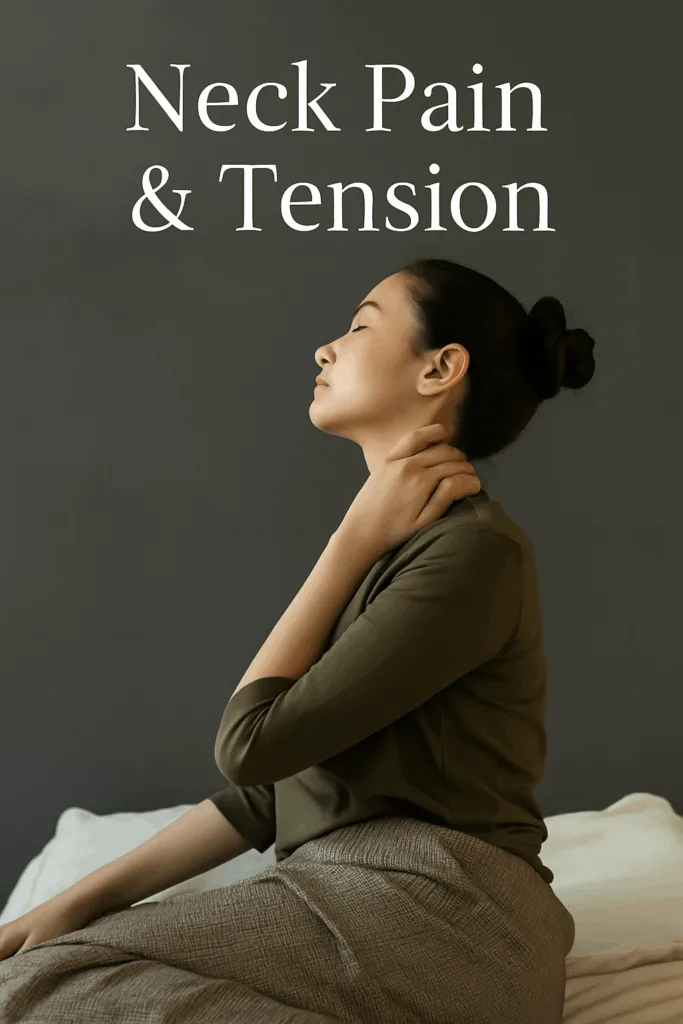
NECK PAIN RELIEF IN METAIRIE – BIG EASY ACUPUNCTURE AND HERBAL MEDICINE

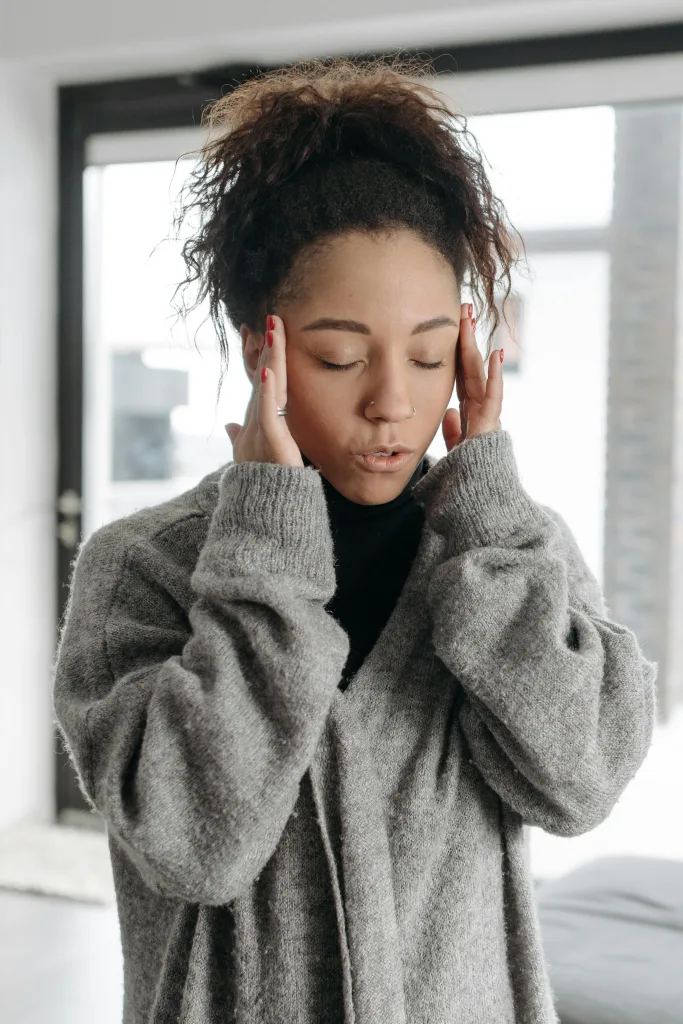
Woman holding her neck in pain, representing neck tension treated with acupuncture at Big Easy Acupuncture in Metairie, LA
Acupuncture helps relieve neck pain, reduce tension, and restore mobility

Does acupuncture help with neck pain?

Yes, acupuncture can relieve neck pain by releasing tight muscles, reducing inflammation, and restoring mobility

DON’T LET NECK PAIN HOLD YOU BACK

Does your neck feel stiff, sore, or hard to move?

Do you get headaches from neck tension or long hours at a desk?

Many people deal with this every day from posture, stress, or old injuries.

Neck pain makes simple things harder — turning your head, sleeping well, or even enjoying time with family.

Neck pain doesn’t just cause discomfort. It can trigger tension headaches, limit mobility, disturb sleep, disturb work, and drain your energy. The good news? Acupuncture offers safe, natural, and drug-free relief that addresses the root cause of your discomfort.

WHAT CAUSES NECK PAIN?

Neck pain is one of the most common reasons our Louisiana residents seek out acupuncture treatment. Neck pain can be caused by a wide range of factors, including wear-and-tear, strains or sprains, or inflammation. A few common culprits include:

Everyday Strain, Occupational, Lifestyle strain:

  • Long hours at a desk, on the road, carrying heavy weight, overuse or doing repetitive tasks

Poor Posture / Seated Lifestyle:

  • Text neck, tech neck, long computer hours, long drives, awkward sleep positions

Injuries, Accidents, Trauma:

  • Whiplash, sports injuries, or accidents

Nerve Entrapments / Irritation:

  • Nerves being elongated, shortened, or compressed to cause pain along a line of action

Medical Conditions / Aging:

  • Arthritis, herniated discs, disc height changes, and some age related wear and tear

Growths / Scars:

  • Masses, tumors, cysts, scars, and bone spurs. These can put pressure on nerves and cause a line of action of pain/inhibition along that nerve pathway

Lifestyle Factors: 

  • Smoking (slows healing), stress (tightens muscles), seasonal cold/damp weather can all trigger pain, or feeling tight muscles when sick.

HOW PEOPLE EXPERIENCE NECK PAIN

What Might People Feel?

  • Physically – Pain can be experienced widely from a dull ache to a sharp, stabbing pain. You may also experience reduced mobility, headaches, stiffness, or pain/weakness radiating to your arms if nerves in the neck are compressed
  • Mentally – Decreased quality of life, depression, or anxiety due to long term effect on lifestyle
  • Time Frame – Some cases resolve with rest and lifestyle changes; others become persistent or recurring, lasting months or years.

HOW DOES ACUPUNCTURE WORK FOR NECK PAIN?

Acupuncture is effective because it targets both the muscles and nerve pathways involved in pain.

Acupuncture and Traditional Chinese Medicine (TCM) is well known to provide a natural, anatomy based, researched, and safe approach to treating neck pain.

Thin sterile needles are inserted at specific points either locally or along distant areas of the body that connect to the same pathways to manipulate the body, reduce pain, and calm the nervous system. Pain can come from nerves being elongated, shortened, or compressed. Nerve compression and muscular tensions lead to areas of the body not being able to fire actions like a misfire in a car or perform as intended because the area could be shut off.

Western Medical Perspective:

  • Triggers release of endorphins (your body’s natural pain relievers)
  • Relaxation of tight muscles and reduces spasms
  • Improves blood flow and circulation for faster healing
  • Reduces inflammation and swelling
  • Restore strength and mobility by promotion of nerve signaling and action
  • Calms the nervous system, helping the body “reset” from chronic tension

Traditional Chinese Medicine Perspective:

  • Clears energy (Qi) blockages that create pain and stiffness along meridians
  • Restores balance and circulation of Qi, blood, and body fluids
  • Calms the mind to hold less tensions in the body

The Result: Less neck pain, fewer headaches, better sleep, improved posture, improved mobility and strength, and improved quality of life.

RESEARCH ON ACUPUNCTURE FOR NECK PAIN

Modern research supports what patients have experienced for centuries: acupuncture helps relieve neck pain and improve mobility.

  • A study published in the British Medical Journal found acupuncture to be a safe and effective treatment for chronic neck pain, improving both movement and comfort.
  • Research from the National Institutes of Health showed that acupuncture not only reduces pain intensity but also improves daily quality of life, with results that last beyond treatment.

Research Spotlight: A well-designed randomized controlled trial published in the journal Pain followed patients with chronic neck and shoulder pain after acupuncture treatment. The study found that acupuncture not only reduced pain more effectively than placebo points but that the improvements were still present three years later. This long-term benefit is especially important for people with ongoing neck tension from stress, posture, and computer work—exactly the issues we see daily in our clinic.

These findings confirm what we see every day in our clinic: acupuncture provides safe, natural, and long-lasting relief for people living with neck pain.

TYPES OF TECHNIQUES USED FOR NECK PAIN

Traditional Acupuncture

  • Insertion of thin needles along body meridians. Points along the Gallbladder, Bladder, Small Intestine Channels, and Hua Tuo Jia Ji points of the central spine are most often used.

Sports Medicine Acupuncture

  • Insertion of thin needles to manipulate motor points of specific muscles to decompress nerves, relax muscles, restore strength and mobility

Electrostimulation

  • Electroacupuncture attaches clips to the needles with a gentle pulsating electric current between them. Electrostimulation can provide deeper stimulation for a period of time without the need to manually stimulate each needle

Cupping

  • Cups are placed onto the skin to create suction. This increases blood flow to surface level tissues and loosens muscles/tendons

IMAGING AND RED FLAGS

X-Rays, MRI, CT Scans, and other imaging may be recommended if:

  • Pain following a major injury, accident, or fall
  • Weakness, numbness, tingling spreads to arms or legs
  • Pain is severe, persistent, or gets worse even with care
  • Coordination issues or balance issues, sudden loss of bladder/bowel control
  • Unexplained weight loss or major fluctuations in body temperature
  • Imaging can be used to determine structural changes as we age and also after some injuries causing high levels of pain. A few examples that could be found: fractures, cysts, disc issues, and nerve entrapments

WHAT TO EXPECT AT YOUR FIRST ACUPUNCTURE VISIT

When you visit Big Easy Acupuncture in Metairie, we start by discussing the reason for your visit, history of complaint, and checking your mobility and muscle strength. Then we create a plan just for you.

Initial Consultation and Assessment

  • Discussion of condition, history of condition, detailed medical history, and orthopedic mobility and strength assessment

Treatment Process

  • Acupuncture needling targeting pathways of pain and muscles according to findings 
  • A relaxing session with needles retained for about 20 minutes — many people even nap during treatment

What Do People Feel

  • Reduction in pain levels, increased range of motion, relaxation of tight muscles, sense of relaxation or euphoria, Possible temporary soreness near needle sites.

Complementary Care

  • Treatments may also include cupping, electro-acupuncture, or manual therapy to enhance results

Herbal Medicine  

  • Custom herbal blends targeted to your specific condition. Works well between visits of acupuncture to keep treatment going

Lifestyle Recommendations and Exercises

  • Support with recommended stretches, posture tips, and stress management techniques

Big Easy Acupuncture treatments utilize a combination of Sports Medicine Acupuncture along with Traditional Chinese Medicine to bring you the best of both this ancient healing system along with modern treatment methods.

BENEFITS OUR PATIENTS NOTICE

  • Relief from neck pain and stiffness
  • Fewer headaches caused by tension and increased blood flow
  • Better posture, range of motion, and strength
  • Improved sleep and less stress
  • Reduced intake of pain medications
  • More energy for daily life

Many patients notice relief after the first or first few visits. For ongoing pain, a short series of treatments helps retrain your body and bring steady improvement.

AFTERCARE (POST TREATMENT RECOMMENDATIONS)

  • Stay hydrated
  • Avoid stress triggers if possible and be mindful of any neck triggers
  • Avoid vigorous exercise immediately after treatment
  • Some patients may have temporary soreness at needling sites as the body processes treatment. This can be normal for some and resolves normally within 24-48 hours.
  • Pain reduction is not the only progress people make on their journey to reduce and remove their pains. Pay attention to changes in mobility, strength, sleep, medications used, and overall comfort level.

FREQUENTLY ASKED QUESTIONS

How many acupuncture sessions do I need for neck pain?

  • Most patients notice improvement within the first visit or first few visits. For chronic conditions, a short series of 6–8 visits helps retrain your body and provide lasting relief.

Is acupuncture safe for chronic neck pain?

  • Yes. We see many patients with acute and chronic neck pain. Acupuncture is a very safe option. Some patients may feel temporary almost post workout soreness at the needle site after treatment.

Can acupuncture help with tension headaches from neck pain?

  • Absolutely. By relieving tight muscles, improving circulation, and regulating the nervous system, acupuncture often reduces headache frequency and intensity.

Do you accept insurance for acupuncture?

  • Big Easy Acupuncture is a cash-based clinic. However, we can provide itemized receipts for insurance reimbursement upon request.

Unlike pain medications that only mask symptoms, acupuncture helps your body heal. It’s safe, natural, and effective — and it’s trusted by people all over the world.

🌿 Ready to Find Relief from Neck Pain?

📍 Big Easy Acupuncture | Metairie, LA
📞 504-650-0027

FEEL RIGHT. MOVE FREE. LIVE EASY.

References:

  1. Irnich, D., et al. Randomised trial of acupuncture compared with conventional massage and “sham” laser acupuncture for treatment of chronic neck pain. British Medical Journal June 30, 2001;322:1-6.
  2. Liang Z, Zhu X, Yang X, Fu W, Lu A. Assessment of a traditional acupuncture therapy for chronic neck pain: a pilot randomized controlled study. Complement Ther Med. 2011 Jan 19, http://www.ncbi.nlm.nih.gov/pubmed/21195292.
  3. Hokkanen, K., et al. (2003). Long-term results of acupuncture treatment for chronic neck and shoulder pain: A randomized controlled trial. Pain, 104(1–2), 197–204. https://pubmed.ncbi.nlm.nih.gov/15157691/

Multiple Sclerosis

Multiple Sclerosis (MS) is a complex condition that currently affects approximately 400,000 people in the United States—with 200 more people diagnosed every week. This chronic disease causes uncomfortable, sometimes debilitating symptoms that can make it difficult to perform everyday tasks.

An unpredictable condition

The exact causes of MS are not entirely understood, and there is currently no cure, though there have been many advances in treatment in recent years. Western medicine considers MS an autoimmune condition–a condition that occurs when the immune system attacks the body’s own tissues. In the case of MS, the immune system starts attacking and breaking down a substance called myelin, the sheath that surrounds the nerve fibers of the central nervous system. Myelin increases the speed of the transmission of nerve signals.

When myelin becomes “broken” or destroyed, nerve impulses are slowed down, leading to a progression of nerve-related problems. When these nerve fibers become damaged, symptoms can result, including:

  • Blurred vision
  • Loss of balance
  • Poor coordination
  • Slurred speech
  • Fatigue
  • Memory problems
  • Numbness or weakness of
    the limbs

The symptoms of MS vary from person to person, can range from minor to severe and can even disappear for a period of time only to flare up unexpectedly.

Treatment options

Depending upon your symptoms and the progression of the disease, your doctor may suggest medications designed to slow the disease and/or medications for the symptoms.

It is important to take an active role in your treatment. More and more, people living with MS are choosing to complement their Western treatment with acupuncture and Traditional Chinese Medicine (TCM). Acupuncture and TCM can provide a safe, natural way for those living with MS to stay as healthy as possible. Including acupuncture and TCM in your treatment plan can help boost your overall health and relieve symptoms. Practitioners of TCM view MS differently than Western medicine practitioners, taking into account each individual’s overall health, lifestyle and emotional well-being—not just their symptoms.

TCM is based on the concept that Qi (pronounced “chee”), or vital energy, flows through the body in channels called meridians. If Qi becomes stagnant, unbalanced or deficient, symptoms such as those linked to MS can result. This can occur for any number of reasons, from an inherited constitutional imbalance or illness to stress or an external invader such as wind or dampness.

Your practitioner will work to determine the condition at the root of your symptoms in order to create a treatment plan. For example, the muscular stiffness and numbness associated with MS are often related to excessive dampness within the meridians, or a deficiency in the liver and kidney organ systems.

Based on their diagnosis, your acupuncture practitioner will work to balance the Qi in the body’s organ systems by manipulating corresponding points on the body with hair-thin acupuncture needles. While acupuncture alone can’t cure MS, it has been found to be particularly useful in managing symptoms such as pain, muscle spasms and bladder problems.

Self-care for MS

MS can have an impact on every part of your life. To help support both your physical and emotional well-being, your practitioner may suggest some of these lifestyle changes and self-care techniques.

Herbal remedies – Your practitioner may provide herbs or nutritional supplements designed to help relieve symptoms and boost your overall health. Be sure to let your other health care providers know if you take supplements in order to avoid any potential drug interactions.

Staying cool– Heat can make symptoms of MS worse. Tepid baths, cool drinks and air conditioning may help make you more comfortable.

Exercise – Yoga and Qi Gong can help improve strength, balance and depression. Consider adding gentle aerobic exercise as well to improve your overall health and reduce stress.

Stress relief– Stress can exacerbate symptoms and cause other health problems, so it’s important to keep your stress levels in check. Meditation or deep-breathing techniques can help you stay calm and relaxed. Massage is another great way to help relieve stress and loosen tense muscles. If your anxiety becomes overwhelming, consider talking to a professional.

MS is a serious condition, but many people with MS live long, happy, fulfilled lives. Acupuncture and TCM can provide the support you need to cope with MS and its effects. If you or someone you love is facing MS, contact an acupuncturist today.

References:
Chinese herbal treatment for Multiple Sclerosis and other flaccidity syndromes. S. Dharmananda, Ph.D. Inst. for Traditional Medicine.
Traditional Chinese medicine and Multiple Sclerosis. A patient guide. E. Vickers, N.D., L.Ac.
Acupuncture for Multiple Sclerosis. 6/27/08. Link

Insomnia

You settle into a warm, comfortable bed, close your eyes and nothing happens, you just can’t fall asleep. Hours go by and still you’re awake. The next day you feel tired, grouchy, and are unable to focus. Does this sound familiar?

Sleepless nights happen to almost everyone at some time, but ongoing insomnia or sleep disorders can indicate a deeper issue and could lead to further health concerns. Unfortunately, a common approach to treating insomnia includes prescription sleeping medications, which can cause side effects or even dependence. That’s one of the many reasons to consider an all-natural approach to treating your sleep problems. Acupuncture can be a very effective way to improve your sleep quality without side effects.

Tips for healthy sleep
  • Stick to a regular schedule.
  • Plan to go to bed and wake up at the same time every day.
  • Stay active. Exercise regularly, but not within a few hours of bedtime.
  • Don’t eat large meals before bed.
  • Try not to nap. If you really need to nap, try to keep it short, less than 45 minutes.
  • Limit caffeine, alcohol, and nicotine. All of these can add to sleep problems.
  • Relax. Try taking a warm bath, meditating, or reading to wind down before going to sleep.

One bad night…or an ongoing issue?

Occasional insomnia is a very common problem, affecting about one in four Americans. It can happen to anyone, but is more common in older adults. Its symptoms include:

  • Difficulty falling asleep
  • Waking up during the night
  • Waking up too early
  • Daytime fatigue and irritability
  • Frustration and moodiness

Insomnia can be very frustrating, but it’s more than an annoyance. When insomnia becomes ongoing, or chronic, your body is unable to get the rest and renewal it needs so that you can feel your best. In fact, a lack of quality sleep can cause problems such as difficulty concentrating, diminished energy, low mood, and trouble performing everyday tasks. Since sleep strengthens the immune system, insomnia can leave you susceptible to many other health concerns. Luckily, you don’t have to just “put up with” chronic insomnia.

How acupuncture can help

According to the theories of acupuncture and Traditional Chinese Medicine (TCM), conditions such as insomnia are a sign of an imbalance in Qi (pronounced “chee”), the vital energy that animates the body and protects it from illness. Modern research also recognizes acupuncture to help regulate stress hormones and our nervous system. This helps us feel more naturally calm by regulation of our fight or flight response.

Here are a few questions your practitioner may ask. They help to refine your specific diagnosis.
  • Do you have difficulty falling asleep?
  • Do you have difficulty staying asleep?
  • Is your sleep filled with vivid dreams?
  • Is it difficult to calm your mind at night?
  • Is it difficult to sleep on your back? This can relate to a excess condition of the Lungs or Heart meridians.
  • Do you only sleep on your back with outstretched arms? This can reflect a pattern of excess heat.
  • Do you prefer to sleep on your stomach or side? This could indicate a deficient condition.

This imbalance can stem from a number of causes such as stress, anxiety, medications, depression, and chronic pain. To determine the underlying causes of your insomnia, your acupuncturist will take into account many factors, including your lifestyle and emotional and mental well-being. They will then work to restore the balance and flow of Qi by inserting fine, sterile needles at specific points along the body.

Your acupuncturist may also suggest aromatherapy, yoga, meditation, or other additional therapies. You may find that you sleep better after your very first session, though you will most likely receive the most benefit from a series of treatments.

Your acupuncturist can get to the root of your sleep issues by taking into account all of the factors that may be contributing to your sleep disturbance. With this ancient form of health care, you can treat your symptoms, improve your overall health and well-being, and start looking forward to a great night’s sleep, every night.

References:
Overcoming Insomnia: How to achieve peaceful quality sleep. Acupuncture.com. Accessed Feb. 1, 2008. Link
Insomnia. MayoClinic.com. March 16, 2007. Link
The Complete Idiot’s Guide to Acupuncture. Alpha Books, 2000.

IBS

Irritable bowel syndrome (IBS) is a complex disorder in which the intestines lose their ability to efficiently move their contents. The main symptoms of IBS are abdominal pain, bloating, diarrhea, and/or constipation. Less common symptoms may include headaches, fatigue, depression and anxiety. Symptoms may be triggered by stress, diet, emotional factors, hormone levels and medications.

Let’s talk acupuncture

Acupuncture and Chinese medicine can offer a safe, effective, natural and drug-free way to address IBS. This holistic healthcare system looks at the body differently than Western medicine. According to Chinese medicine, the body is like a garden that must be cultivated and maintained in order to grow strong and remain healthy. Good health happens when all of the organs and meridian systems are balanced and working together.

How does your garden grow?

According to Chinese medical theories, there are several possible causes for IBS.

One of these is an imbalance of the spleen. The spleen is the organ in charge of digestion and assimilation of foods and liquids. One of the main functions of the spleen is to aid in the production of spleen Qi. Spleen Qi is the energy that provides power and nourishment for the entire body.

Another function of the spleen is to produce blood from the food it breaks down and to convert it into usable energy to power your body. If your spleen isn’t properly cared for, the body’s energy levels will not be supported and illness may occur.

The spleen is easily affected and weakened by poor eating habits and diet, antibiotics, excessive worry, or a weak constitution. When a weakened spleen cannot metabolize or process food efficiently, “dampness” appears in the body. Dampness occurs when rotting, undigested food sits in the gut, causing a variety of symptoms. If dampness “rises” to your head, you may experience headaches, a “foggy” feeling and an inability to concentrate. Over time, dampness can lead to bloating, fullness and loose stools.

Another possible scenario is an imbalance in the liver. According to Chinese medicine, the liver is associated with emotional health. Stress and anger directly influence the function of your liver. Alcohol, drugs and medications, or a poor diet further compromise its function. When this happens, your liver energy overflows, in a figurative sense, and attacks the spleen. If your spleen is already weakened, it can be easily overcome. The result can be stress-induced IBS.

If your liver is compromised, you may experience alternating diarrhea and constipation, as well as bloating, gas, headaches, and dull pain. In this case, your liver may be the root of the problem, and your spleen the secondary problem.

An imbalance in kidney Yang could also cause IBS symptoms. kidney Yang is energy that provides warmth for your body. This energy warms up your spleen to aid in the digestion and breakdown of food. If your kidney energies are compromised, you may experience early-morning diarrhea and possibly bladder incontinence, cold limbs, weak knees and a sore back.

Acupuncture and Chinese medicine can create a clear picture of the root imbalance(s) that lead to IBS symptoms. When you meet with your practitioner, he or she will determine what organ and meridian systems are contributing to your IBS. They may also suggest adjunct therapies such as herbs, dietary changes, breathing techniques and exercises in order to maximize your healing.

Acupuncture and Chinese medicine can provide a safe, natural, drug-free and effective way to address IBS.

504-650-0027 Directions Contact/Schedule