
 Acupuncture For Carpal Tunnel Syndrome | Big Easy Acupuncture, Metairie LA
Acupuncture and Dry Needling for Hand and Wrist Nerve Pain
Carpal tunnel syndrome can cause numbness, tingling, pain, or weakness in the hand and fingers. Many people notice symptoms at night, while driving, or when using a phone or computer. Over time, simple tasks like gripping, typing, or holding objects can become uncomfortable or frustrating.
It is common to worry that nerve symptoms mean permanent damage or that surgery is the only option. In many cases, carpal tunnel symptoms respond well to conservative care when addressed early and treated properly.
At Big Easy Acupuncture and Herbal Medicine in Metairie, we help people reduce nerve irritation, improve hand function, and return to daily activities using acupuncture, dry needling, and hands-on care.
Does Acupuncture Help Carpal Tunnel?
For many people, the answer is yes. Acupuncture is commonly used to help reduce pain, numbness, and tingling associated with carpal tunnel syndrome.
Treatment focuses on calming irritated nerves, improving circulation, and releasing tension in the wrist, forearm, shoulder, and neck. Addressing these areas can reduce pressure on the median nerve and support better nerve function.
Many people choose acupuncture as a conservative option before considering injections or surgery. Results depend on how long symptoms have been present and how severe they are, but many people experience meaningful improvement with consistent care.
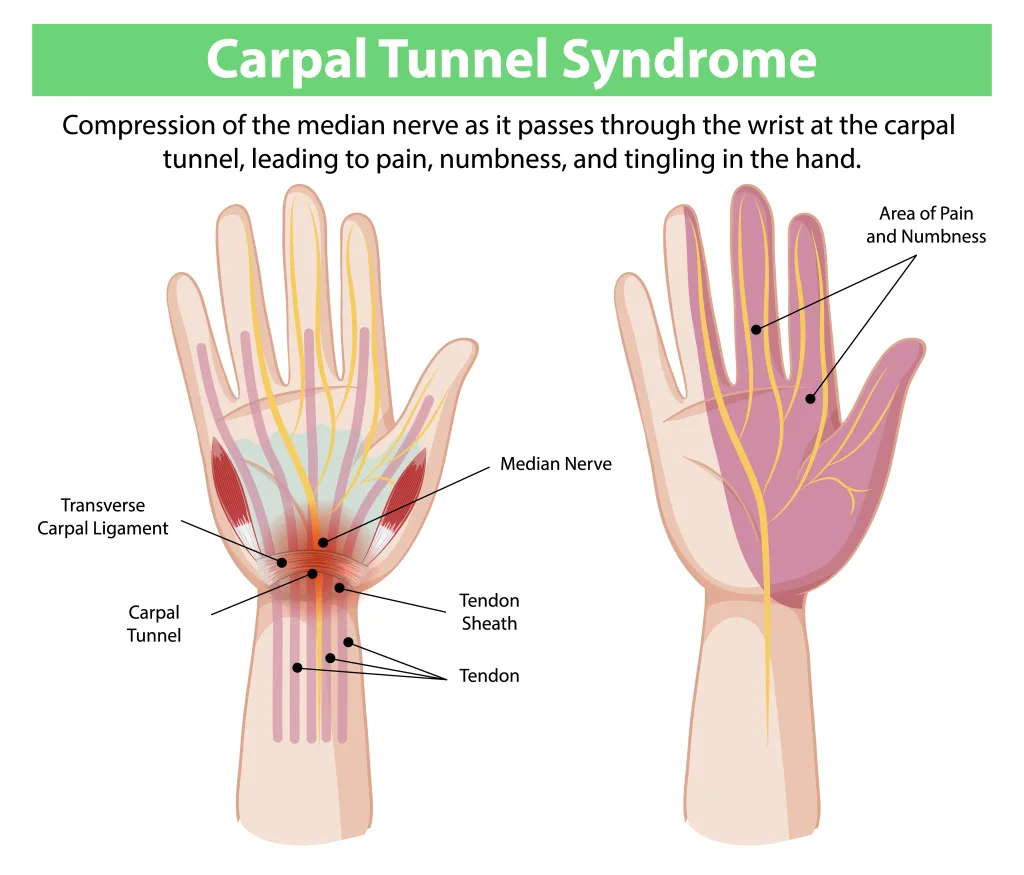 What Is Carpal Tunnel Syndrome?
Carpal tunnel syndrome occurs when the median nerve becomes compressed or irritated as it passes through the wrist. This area also contains several tendons that control finger movement.
When the nerve is irritated, people may experience numbness, tingling, burning pain, or weakness in the hand. Symptoms often worsen at night or with repeated hand use.
Carpal tunnel is not always caused by one single issue. In many cases, it develops from a combination of nerve sensitivity, muscle tension, joint mechanics, and repetitive strain rather than a sudden injury.
Causes and Risk Factors for Carpal Tunnel
Carpal tunnel symptoms are often influenced by more than just the wrist.
Common contributing factors include:
- Repetitive hand or wrist use
- Prolonged wrist bending or gripping
- Tightness in the forearm muscles
- Shoulder or neck tension affecting nerve pathways
- Inflammation or fluid retention
Risk factors may include:
- Desk and computer work
- Manual labor or tool use
- Pregnancy
- Diabetes or other underlying chronic systemic conditions
- Previous wrist injury
In our clinic, we often see carpal tunnel symptoms improve when the forearm, elbow, shoulder, and neck are addressed together rather than treating the wrist in isolation.
Red Flags to Watch For
Some symptoms should be evaluated by a medical provider before starting treatment.
These include:
- Constant numbness that does not change
- Progressive hand or finger weakness
- Frequent dropping of objects
- Loss of coordination
- Symptoms following trauma or injury
Acupuncture works best as part of responsible care and may be used alongside bloodwork or imaging evaluation when needed.
What Is Acupuncture and Dry Needling?
Acupuncture uses very thin, sterile needles to stimulate specific points in muscles, connective tissue, and along nerve pathways. Dry needling is a related technique that focuses on releasing tight or dysfunctional muscle tissue to restore normal muscle activation in inhibited areas
Both approaches aim to reduce pain, improve circulation, and calm irritated nerves. Treatments are targeted and based on physical assessment rather than symptoms alone.
How Acupuncture and Dry Needling Help Carpal Tunnel
Research suggests acupuncture can help reduce pain and improve nerve-related symptoms in people with carpal tunnel syndrome. Treatment focuses on improving local circulation, reducing muscle tension, and decreasing nerve sensitivity.
At Big Easy Acupuncture, care may include the wrist, forearm, elbow, shoulder, and neck. Addressing these areas can reduce strain along the median nerve and support healthier nerve signaling.
Acupuncture and dry needling helps to:
- Reduce nerve irritation
- Improve blood flow to the affected area
- Release tight forearm muscles
- Support nervous system regulation
What to Expect During and After Treatment
During treatment
Your visit includes hands-on mobility and strength assessment followed by targeted treatment. Most people find the needles comfortable and relaxing. Treatment is mobility and strength based, focused, and individualized.
After treatment
Some people notice temporary soreness or heaviness in the arm. Tingling, warmth, or changes in sensation are common and usually short-lived. Improvement often builds gradually over several visits.
How Many Treatments Will I Need?
The number of treatments depends on a few factors:
Your Symptom Stage (Relief → Correction / Root Cause → Maintenance)
Relief: calming pain, tension, or nerve irritation
Correction / Root cause: correcting movement, strength, or structural issues
Maintenance: preventing flare-ups and supporting long-term function
Acute conditions:
If you’re dealing with recent injuries or sudden issues within the last few months, you may notice significant improvement after just a few sessions. Typically acute conditions require only 1–5 treatments compared to long-term issues.
Chronic conditions:
Chronic issues or long-term systemic conditions usually require more sessions. A typical plan involves 2 visits per week for the first 2–3 weeks, with treatments spreading out as you progress. Chronic issues often need more total sessions and may benefit from follow-up or maintenance care.
Maintenance:
Many patients choose occasional visits to keep pain from returning and to support active lifestyles.
We’ll regularly reassess your progress and adjust your treatment plan as you improve.
Complementary Treatments That May Help
Acupuncture works best when combined with appropriate self-care and medical guidance.
Recommendations from external care may include:
- Ergonomic adjustments to normal life environment
- Assisted exercise
- Soft tissue manipulation
- Electroacupuncture
Self care recommendations:
- Forearm stretches
- Mobility exercises to improve the gliding of the nerve
- Taking a break from triggering activities or stepping back during recovery
- Applying heat or cold based upon presentation
When to Seek Help for Carpal Tunnel
You may want to seek care if:
- Symptoms last more than a few weeks
- Numbness or pain disrupts sleep
- Hand weakness affects daily tasks
- Symptoms interfere with work or quality of life
Early care often leads to better outcomes.
Frequently Asked Questions
Can acupuncture help carpal tunnel?
Yes. Many people use acupuncture to reduce pain, numbness, and nerve irritation associated with carpal tunnel syndrome..
Can acupuncture help avoid surgery?
Many people try conservative care like acupuncture before considering injections or surgery.
Is carpal tunnel permanent?
In most cases, symptoms improve with proper treatment, especially when addressed early.
Does treatment hurt?
Most people find acupuncture and dry needling very comfortable. You may feel a slight pinch or tingle upon insertion of most needles but the process is very comfortable for most people.
Ready to Understand What’s Going On?
If hand numbness, tingling, or wrist pain is limiting your daily life, an evaluation can help clarify what’s actually driving your symptoms and whether acupuncture or dry needling is appropriate.
📍 4300 S I-10 Service Road West, #208 Metairie, LA 70001
📞 504-650-0027
🌐 Schedule online anytime at: bigeasyacu.janeapp.com
