Skip to content

Breathing Support

Person breathing calmly outdoors with relaxed postureBreathing Support

Big Easy Acupuncture & Herbal Medicine | Metairie, LA

Breathing should feel steady and easy.
When it does not, it can affect your energy, sleep, focus, and how your body feels each day.

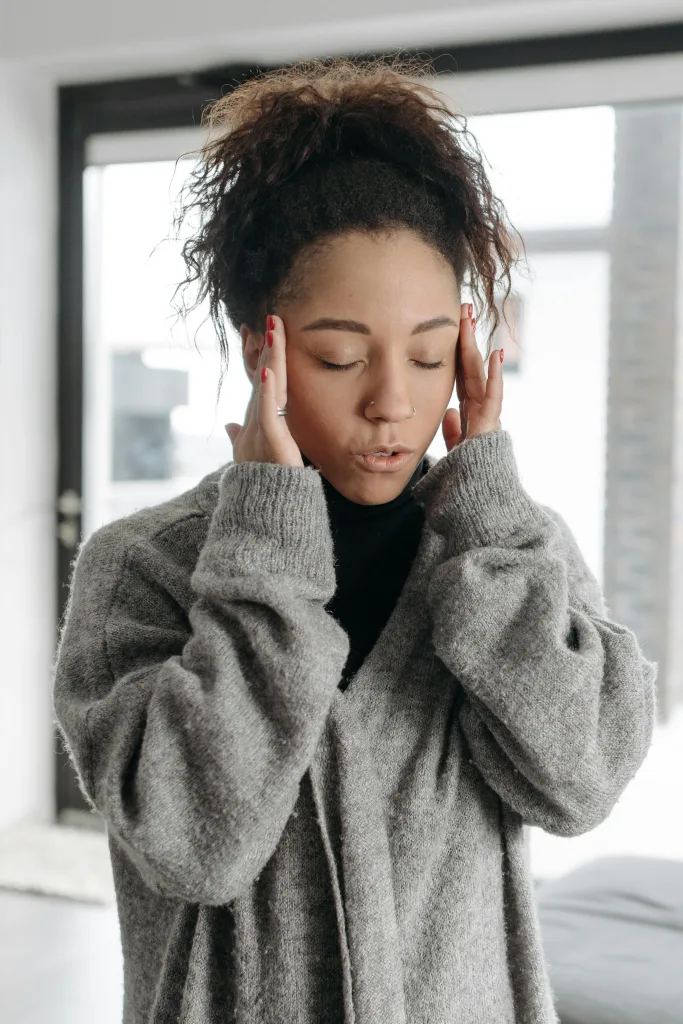
Many people notice breathing discomfort during certain seasons, stressful times, or when the body feels run down. Chest tightness, shallow breathing, congestion, or feeling out of breath can make daily life feel harder than it should.

At Big Easy Acupuncture & Herbal Medicine, we support breathing by helping the body relax, release tension, and regulate itself more smoothly.

How Breathing Discomfort Can Show Up

Breathing concerns can feel different for everyone. Common signs include:

  • Chest tightness or pressure
  • Shortness of breath
  • Feeling winded easily
  • Coughing or congestion
  • Shallow breathing in the chest or shoulders
  • Breathing that feels worse during stress
  • Sensitivity to pollen, dust, or air changes

Breathing discomfort can also show up or feel worse with:

  • Certain medications
    Some medicines can dry the airways, increase congestion, or affect how breathing feels.
  • Tobacco use or smoke exposure
    Smoking or secondhand smoke can irritate the airways and make breathing feel tighter or more labored.
  • Food additives or food sensitivities
    Some people notice breathing feels heavier or more restricted after certain foods.

These patterns are often linked to stress, posture, muscle tension, nervous system overload, and how the body responds to daily habits and the environment.


How Acupuncture Supports Breathing

Acupuncture supports breathing by calming the nervous system and reducing physical tension that can limit how the body breathes.

Acupuncture helps by:

  • Releasing tight muscles in the chest, neck, and upper back
  • Releasing tight muscles in the abdomen to reduce restriction during deep belly breathing
  • Opening the nasal passages to support easier airflow through the nose
  • Supporting smoother, deeper breathing
  • Improving circulation
  • Helping the body respond more calmly to stress and seasonal changes

Because breathing is connected to stress, posture, sleep, and overall tension, care focuses on the whole body rather than just the lungs.


How people often notice improvement

Progress usually shows up in simple, everyday ways rather than all at once. Many people notice:

  • More energy for daily activities
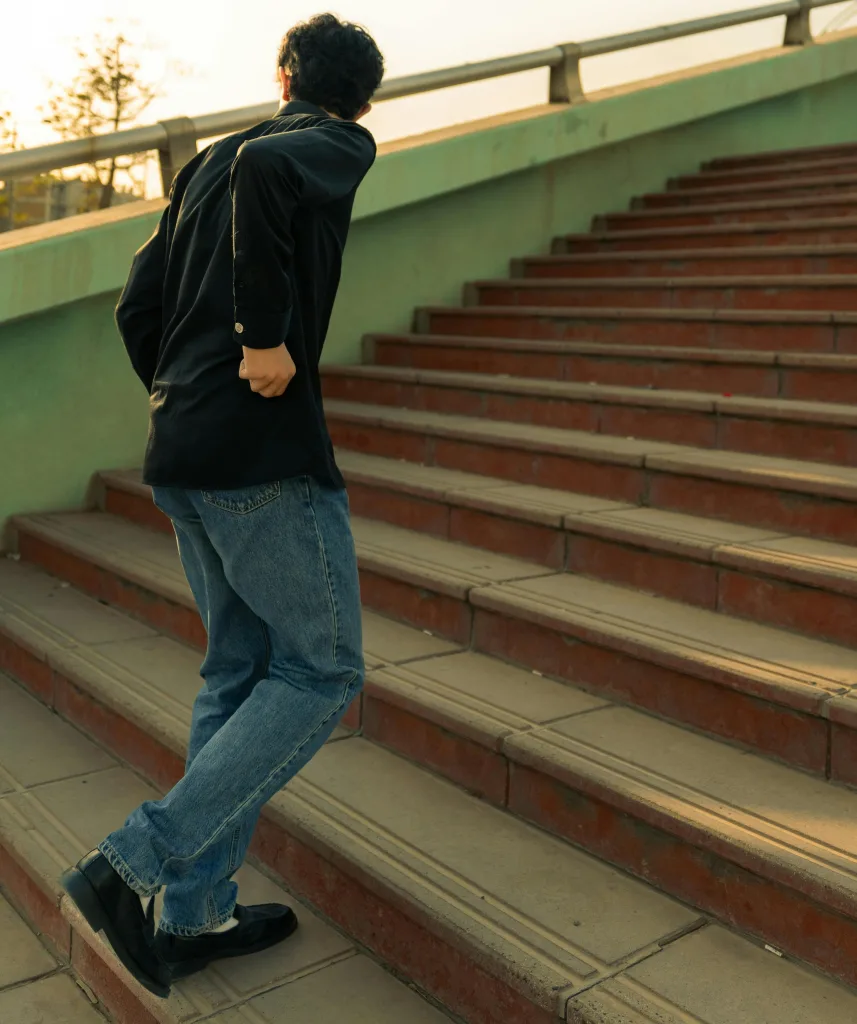
    Feeling less out of breath when walking, climbing stairs, or being active.
  • Deeper, fuller breaths
    Being able to breathe down into the belly instead of short, tight breaths in the chest or shoulders.
  • Less chest, abdominal, and upper body tension
    Reduced tightness that can restrict breathing.
  • Clearer nasal passages
    Breathing more easily through the nose with less congestion or blockage.
  • Less mucus or phlegm buildup
    A sense that the chest and throat clear more easily.
  • Calmer reactions to the environment
    Less sensitivity to pollen, dust, weather changes, or air quality.
  • Better rest and recovery
    Breathing feeling steadier at night, supporting better sleep.

These changes often build over time as the body learns to regulate stress and breathing patterns more efficiently.


Herbal Support for Breathing

Herbal medicine can be used on its own or together with acupuncture to support breathing comfort.

We use herbs to help:

  • Clear mucus or phlegm
  • Support smoother airflow
  • Calm irritation in the chest and throat
  • Support breathing during seasonal changes
  • Relax muscular tensions
  • Help regulate stress responses that affect breathing

Herbal formulas are chosen based on how your body is responding, not just individual symptoms. Some people use herbal care on its own, while others combine it with acupuncture for more complete support.

Herbal treatment is personalized and adjusted over time based on how you feel and how your breathing changes.


Simple Ways to Support Breathing Day to Day

Small daily habits can help breathing feel easier and more comfortable over time.

  • Eat lighter, less greasy foods
    Heavy, fatty foods can be harder for the body to process and may contribute to a heavy or congested feeling. Eating simpler, balanced meals can help the body feel clearer. 
  • Practice slow, deep breathing
    Taking slow breaths into the belly instead of short breaths in the chest can help calm the nervous system and improve how air moves through the body. 
  • Stretch the chest and upper back
    Gentle stretching that opens the front of the chest and the space between the shoulder blades can reduce tightness that limits breathing. 
  • Exercise regularly
    Regular movement helps improve circulation and helps the body breathe more efficiently during daily activities. 
  • Manage daily stress
    Stress often causes the body to hold tension and breathe shallowly. Short breaks, calming routines, and rest can support steadier breathing. 
  • Understand what triggers your breathing issues
    Noticing patterns such as stress, certain foods, medications, smoke exposure, or environmental changes can help you better manage breathing discomfort. 
  • Support healthy circulation and pressure
    Balanced movement, rest, and stress management can reduce overall strain in the body and support easier breathing. 

These steps work best when combined with care that helps the body relax, reset, and regulate more smoothly.


When Breathing Support Is Helpful and When to Seek Medical Care

Many people seek care when breathing discomfort:

  • Feels ongoing or limiting
  • Gets worse during stress or seasonal changes
  • Affects sleep, energy, or daily comfort
  • Feels tied to tension, posture, or nervous system overload

Acupuncture and herbal care work best as supportive care, especially when breathing concerns follow recurring patterns.

Some symptoms need medical care right away. Please seek urgent medical help if you experience:

  • Sudden or severe trouble breathing
  • Chest pain or strong pressure
  • Blue or gray lips or fingertips
  • Fainting, confusion, or severe dizziness
  • Rapid swelling of the face, lips, or throat

If you have a diagnosed breathing condition, care can be used alongside medical treatment to support comfort and regulation.


Ready to Take the Next Step?

If breathing discomfort has been affecting how you feel day to day, you do not have to manage it alone.

At Big Easy Acupuncture & Herbal Medicine, care is calm, structured, and focused on helping your body regulate and feel more at ease.

You can:

  • Schedule an appointment online
  • Call or text with questions
  • Or start with a conversation to see if this is the right fit

📞 Call or text: 504-650-0027
🌐 Schedule online: bigeasyacu.janeapp.com

Feel Right. Move Free. Live Easy.

Tensor Fasciae Latae (TFL) Pain

Person walking comfortably outdoors to support healthy hip movement

Acupuncture for Tensor Fasciae Latae (TFL) Pain

Big Easy Acupuncture & Herbal Medicine – Metairie, LA

The tensor fasciae latae, often called the TFL, is a small muscle on the outside of your hip and upper thigh. It helps lift your leg, steady your hip, and support you when you walk, stand up, or climb stairs.

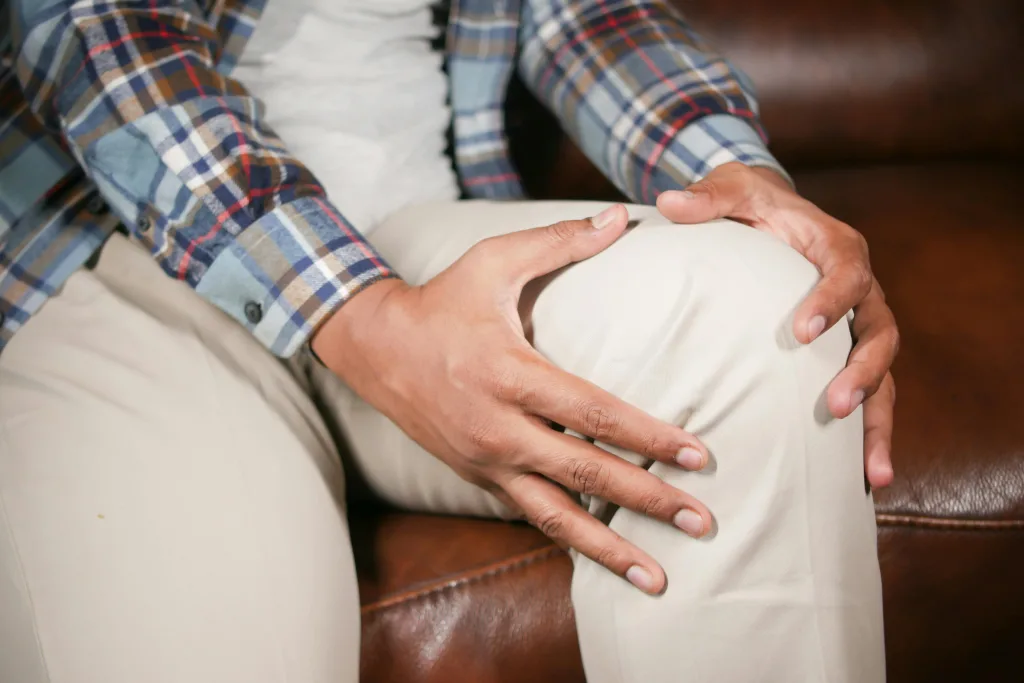
Even though it is small, this muscle works hard every day. When it becomes tight or overworked, it can cause pain in the hip, outer thigh, or even the knee. This pain can make daily movement uncomfortable and limit activity.

At Big Easy Acupuncture & Herbal Medicine, we focus on how your body moves, not just where it hurts. Our goal is to calm pain, restore balance, and help you move with more ease.

Common Signs of TFL Pain

TFL pain can feel different for each person. Common symptoms include:

  • Pain on the outside of the hip
  • A deep ache along the outer thigh
  • Tightness or stiffness when walking or standing
  • Pain that worsens with running, cycling, or long periods of sitting

We often see this type of pain in active adults, runners, cyclists, and people who sit for work during the week and try to stay active around Metairie and New Orleans on weekends.

When the TFL stays tight, nearby muscles may have to work harder. Over time, this can lead to more pain and movement problems.


How Acupuncture Helps TFL Pain

Acupuncture helps tight and overworked muscles relax.

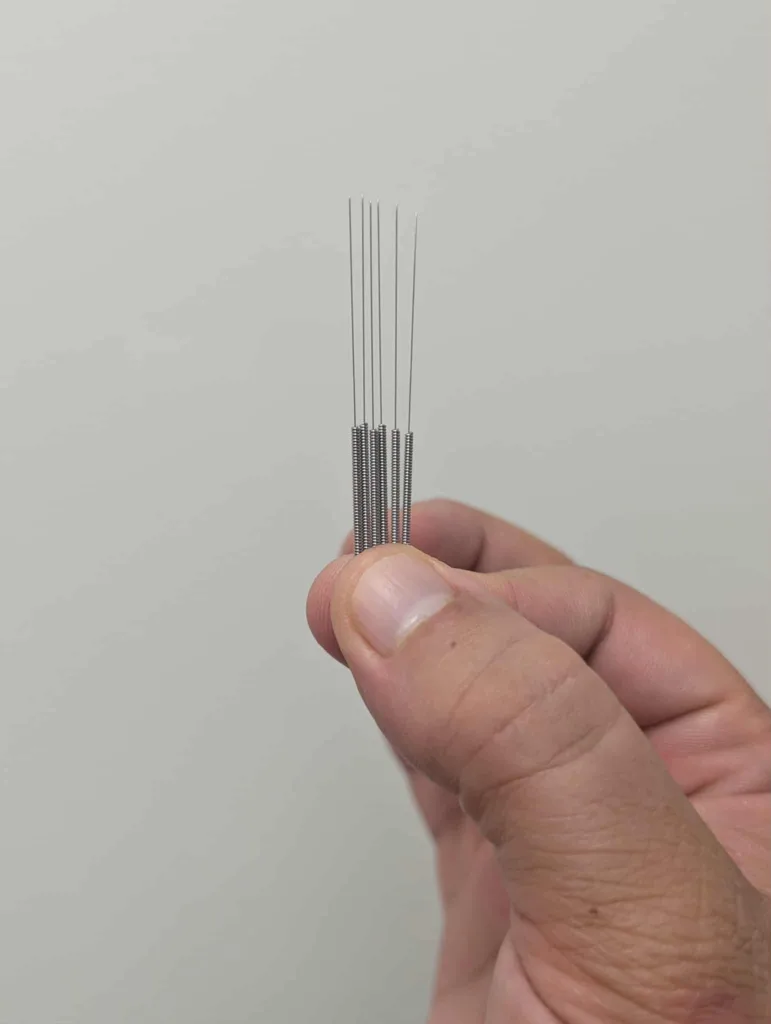
During treatment, very thin needles are placed into specific areas of the body. This signals your nervous system to release tension and increases blood flow to the sore muscle. Better circulation helps:

  • Reduce inflammation
  • Ease muscle tightness
  • Improve nerve signaling by reducing compression to its pathways and branches 
  • Improve hip movement
  • Decrease pain

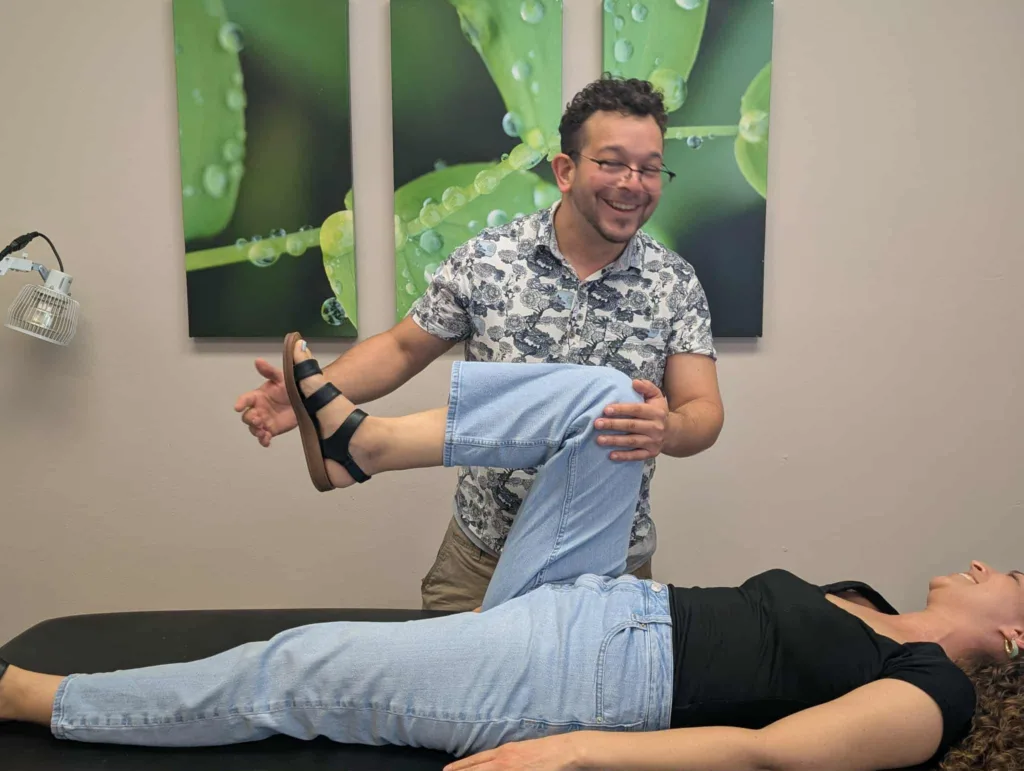
Each visit includes assessment and hands-on treatment based on mobility and strength assessment. 

Most people feel a gentle release or warmth in the hip as the muscle starts to relax. Instead of masking symptoms, acupuncture helps your body repair irritated tissue and restore balance.


Supporting the Nervous System and Pain Relief

Acupuncture works differently than pain medication.

Pain relievers may help for a short time, but they do not help the muscle heal. Acupuncture supports your nervous system so your body can manage pain more naturally.

Treatment helps your body release endorphins, which are your body’s natural pain relievers. These help calm pain signals and improve comfort.

Many people also notice better sleep and a calmer nervous system. Sleeping well along with less stress tensions helps your body and mind to remodel, restructure, and repair. When your body feels safe and supported, healing happens more easily.


Is Acupuncture Enough for TFL Pain?

For many people, acupuncture brings fast relief from TFL pain. It can also help prevent pain from coming back.

Because TFL problems are often linked to poor movement habits, we may also guide you through simple posture or movement changes. Learning how to move better helps take stress off the hip and thigh.

TFL pain can also affect nearby areas, such as the hip, knee, or low back. In some cases, we may use hands-on therapies like cupping or soft tissue work to release tight muscles and improve movement.

Each treatment is personalized based on how your body moves and where you feel pain.


When to Start Care

The sooner TFL pain is addressed, the easier it is to treat. Even if your pain has been there for a long time, acupuncture can still help reduce pain and improve mobility.

You do not have to push through discomfort or wait for it to get worse.

With the right care, many people return to walking, exercise, and daily life feeling more comfortable and confident.


Frequently Asked Questions About TFL Pain & Acupuncture

What is the TFL muscle?
The TFL is a small muscle on the outside of the hip and upper thigh. It helps steady your hip when you walk, stand, or move your leg.

What causes TFL pain?
TFL pain is often caused by overuse, long periods of sitting, poor posture, or repeated movements like running or cycling.

Can acupuncture really help TFL pain?
Yes. Acupuncture helps relax tight muscles, improve circulation, and calm irritated tissue. Many people notice less pain and better movement after treatment.

How many acupuncture sessions will I need?
This depends on how long the pain has been present and how your body responds. Some people feel relief in just a few visits, while others need longer care.

Is acupuncture safe for muscle and hip pain?
Yes. Acupuncture is safe when performed by a licensed provider. The needles are very thin, and most people find treatment comfortable and relaxing.

Do I need to stop exercising during treatment?
Not always. We often help you adjust activity and movement so your body can heal while staying active.

Can TFL pain cause pain in other areas?
Yes. Tight TFL muscles can contribute to pain in the hip, knee, or low back. Treating the source often helps reduce pain in these areas.


Ready to Take the Next Step?

If hip or outer thigh pain has been limiting how you move, you don’t have to figure it out on your own.

At Big Easy Acupuncture & Herbal Medicine, we take time to understand how your body moves, what’s driving your pain, and what kind of care actually makes sense for you.

You can:

  • Schedule an appointment online
  • Call or text us with questions
  • Or start with a conversation to see if this is the right fit

📞 Call or text: 504-650-0027
🌐 Schedule online: bigeasyacu.janeapp.com

Care should feel supportive, not stressful.

Feel Right. Move Free. Live Easy.

Sciatica

Acupuncture for Sciatica | Big Easy Acupuncture, Metairie LA

Natural Support for Sciatic Nerve Pain, Back Pain, Tingling, and Leg Symptoms


Sciatica can be painful, frustrating, and limiting. Many people feel sharp pain, burning, numbness, or tingling that starts in the low back or hip and travels down the leg. Sitting, driving, walking, or sleeping can become uncomfortable. 

If this sounds familiar, you are not alone. Sciatic nerve pain is one of the most common nerve-related issues we see. Many people come in after trying stretches, rest, or other treatments without lasting relief.

It is common to worry that something is permanently damaged or that movement will make things worse. In most cases, sciatic nerve irritation is very responsive to the right care and acupuncture works very well.

At Big Easy Acupuncture & Herbal Medicine in Metairie, we help people with sciatica reduce pain, calm irritated nerves, and move more comfortably again using a structured, hands-on approach.

We commonly see sciatica in people who sit for long hours, stay physically active, or have jobs that place repeated stress on the body. Desk workers, active adults, and people with physically demanding work often experience sciatic nerve irritation for different reasons, but the symptoms can feel very similar.


Will Acupuncture Help Sciatica?

For many people, the answer is yes. Acupuncture can help sciatica by reducing nerve irritation, relaxing tight muscles, improving blood flow, and supporting the nervous system’s ability to calm pain signals.

Sciatica is usually caused by pressure or irritation of the sciatic nerve, often from disc issues, muscle tension, joint restriction, or nerve entrapment along the low back, hip, or leg. Acupuncture works by addressing both the nerve itself and the surrounding tissues that contribute to pain.


What is Sciatica?

Sciatica is nerve pain caused by irritation, inflammation, pinching, or compression of the sciatic nerve, which is the longest and thickest nerve in the body. It runs from the low back through the buttocks and down each leg, and symptoms can range from mild burning or tingling to sharp pain or numbness that radiates down the leg.

Sciatica is very common: about 40% of people in the U.S. will experience it during their lifetime.


What Does Sciatica Feel Like?

Sciatica usually affects one side of the body and may feel like:

  • Sharp or shooting pain down the leg
  • Burning or electric sensations
  • Tingling or numbness (pins and needles)
  • Tightness in the low back, hip, or glutes
  • Weakness in the leg or foot

Symptoms often worsen with sitting, bending, long drives, or sudden movements.

For many people, these symptoms interfere with daily life. Sitting at work, driving, exercising, or even relaxing can feel uncomfortable or unpredictable. This loss of confidence in movement is often just as frustrating as the pain itself.


What Causes Sciatic Nerve Pain?

Sciatica is less about one sore spot and more about how the sciatic nerve is being stressed along its pathway.

Nerve irritation commonly occurs in three main ways:

  • Compression: pressure on the nerve from discs, joints, masses, tumors, or tight surrounding tissues
  • Overstretching (elongation): excessive tension placed on the nerve during movement or posture
  • Restriction (shortening): shortened or tight muscles limiting how the nerve moves and glides

When the sciatic nerve is stressed in one or more of these ways, symptoms often follow the nerve’s path. This creates the familiar pattern of pain, tingling, or burning that travels from the low back or hip down the leg.

This is why sciatica often does not respond fully to rest or simple stretching alone. The nerve itself needs to be unloaded, calmed, and supported so normal movement and recovery can return.

Pain that travels down the leg is an important clue. Pain that stays only in the low back and does not travel is typically not sciatica.

Common sources of sciatic nerve irritation include:

  • Disc bulges or herniations 
  • Degenerative disc conditions
  • Muscle tension or guarding in the hips or glutes
  • Piriformis muscle irritation or spasm
  • Low back or pelvic joint restriction
  • Spinal stenosis or foraminal stenosis
  • Spondylolisthesis
  • Arthritic changes in the spine
  • Postural stress from prolonged sitting or repetitive work
  • Pregnancy
  • Tumors, cysts, or other growths
  • Old injuries that never fully resolved

More than one factor is often involved. Sciatica can feel intense, but intensity does not always reflect damage. Nerve irritation often improves when pressure, tension, movement, and strength patterns are addressed.


When to Seek Medical Evaluation First (🚩 Red Flags)

Seek medical care if you have:

  • Sudden or worsening leg weakness
  • Loss of bladder or bowel control
  • Numbness in the groin or inner thighs
  • Severe pain after a fall, accident, or injury

If any of these are present, imaging or medical testing may be needed before starting treatment.


Risk Factors of Sciatica

Certain factors can increase stress on the sciatic nerve or make irritation more likely. These include a combination of physical, lifestyle, and health-related factors.

Physical and Structural Factors

  • Previous injuries to the low back, hips, or pelvis
  • Normal age-related wear and tear of the spine
  • Weak core strength, which reduces support for the lower back
  • Arthritic or degenerative changes in the spine

Posture, Movement, and Work Demands

  • Jobs that involve heavy lifting, repetitive bending, or prolonged sitting
  • Poor posture or improper lifting mechanics
  • Long periods of inactivity or limited movement throughout the day

Health and Systemic Factors

  • Being overweight, which increases load and pressure on the spine
  • Diabetes, which can affect nerve health and sensitivity
  • Reduced circulation and oxygen delivery from tobacco use

These factors do not guarantee sciatica, but they can increase strain on the nervous system and reduce the body’s ability to recover if nerve irritation develops.


Why Sciatica Doesn’t Always Go Away on Its Own

When pain keeps returning, the body often becomes protective. Muscles tighten, movement feels unsafe, and people start avoiding certain positions or activities. Over time, this guarding can keep the nerve irritated even when no serious damage is present.

Stretching, rest, or pain medication may help temporarily, but sciatica often returns if the underlying nerve irritation and muscle tension are not addressed.

When the nervous system stays irritated:

  • Muscles stay tight to protect the area
  • Movement becomes guarded
  • Circulation and recovery slow down

Over time, this can turn an acute issue into a chronic one.


How Acupuncture Helps Sciatica

Acupuncture works by influencing both the nervous system and the surrounding tissues.

For sciatica, acupuncture can help by:

  • Reducing nerve irritation
  • Decreasing muscle tension around the low back and hips
  • Improving circulation to affected tissues
  • Calming pain signals traveling down the leg
  • Supporting better movement and recovery

During treatment, many patients notice a sense of release in the low back or hip, less pulling down the leg, or a feeling of warmth and ease in the affected area.

After sessions, people often report that movement feels smoother, sitting is more comfortable, and the leg feels less reactive during daily activities.


The Big Easy Approach to Treating Sciatica

Sciatica care at Big Easy Acupuncture is not one-size-fits-all.

Your treatment may include:

  • Walking (Gait) analysis
  • Orthopedic and movement assessment
  • Sports Medicine Acupuncture based upon orthopedic testing
  • Electro-acupuncture for nerve and muscle activation
  • Manual therapy to reduce tension and guarding
  • Treatment of the full chain: low back, hips, and leg

Our goal is not just to reduce pain, but to help your body move and recover more normally again.

In some cases, a referral may be recommended if imaging or bloodwork from another physician is needed to better understand your condition.


How Many Treatments Will I Need?

The number of treatments depends on a few factors:

Your Symptom Stage (Relief → Correction / Root Cause → Maintenance)
Relief: calming pain, tension, or nerve irritation for reduced symptoms and better daily living
Correction / Root cause: correcting movement, strength, or structural issues
Maintenance: preventing flare-ups and supporting long-term function

Acute conditions:
If you’re dealing with recent injuries or sudden issues within the last few months, you may notice significant improvement after just a few sessions. Typically acute conditions require only 1–5 treatments compared to long-term issues.

Chronic conditions:
Chronic issues or long-term systemic conditions usually require more sessions. A typical plan involves 2 visits per week for the first 2–3 weeks, with treatments spreading out as you progress. Chronic issues often need more total sessions and may benefit from follow-up or maintenance care.

Maintenance:
Many patients choose occasional visits to keep pain from returning and to support active lifestyles.

We’ll regularly reassess your progress and adjust your treatment plan as you improve.


Who Is a Good Fit for Acupuncture for Sciatica?

Acupuncture is a good fit for people who want to keep working, stay active, or return to movement without constantly worrying about nerve pain.

Acupuncture may be a good fit if you:

  • Have leg pain, tingling, or burning related to nerve irritation
  • Feel stuck despite stretching, rest, or other care
  • Want a drug-free approach to pain relief
  • Are active and want to move better again
  • Prefer a calm, structured treatment plan

Most people with sciatica improve over time with appropriate care and don’t require surgery, especially when issues are addressed early.


Sciatica Treatment in Metairie, LA

You do not have to live with constant nerve pain or feel unsure about your next step. We’ll help you understand what’s driving your symptoms and whether acupuncture is the right fit.

We work with people throughout Metairie and the greater New Orleans area who want clear answers and structured care for sciatic nerve pain.

📞 Call or text 504-650-0027
🌐 Schedule online at bigeasyacu.janeapp.com

At Big Easy Acupuncture & Herbal Medicine, we focus on helping your body calm down, move better, and recover at its own pace.

Feel Right. Move Free. Live Easy.

Pinched Nerves

Chronic pain | Back painAcupuncture for Pinched Nerve Conditions in Metairie, LA | Big Easy Acupuncture

Have you ever experienced the sharp, shooting pain of a pinched nerve? Pinched nerves disrupt daily life mentally and physically. Pinched nerves limit mobility & affect strength. There are many common areas where nerves can become compressed and cause pain signaling from the compression. Pain long term can become an added trigger for stress. Acupuncture is a safe, natural, and effective solution.

Will acupuncture help a pinched nerve? The answer for many is YES!  In this article, we’ll explore the science behind acupuncture and how it can provide relief for this common condition.

What Is a Pinched Nerve?

A pinched nerve occurs when too much pressure is applied to a nerve by surrounding tissues, bones, cartilage, muscles, or tendons. Many areas of the body can experience issues with a pinched nerve. A nerve’s signaling can be disrupted by being either stretched, shortened, compressed, or crushed. This pressure disrupts the nerve’s function, leading to symptoms like pain, tingling, numbness, weakness, or mobility loss.

A few types of pinched nerve conditions include:

  • Bulging Disc – Spinal discs being compressed and being pushed outwards from the spinal column.
    • Nerves between each disc have a spacing usually where nerves will send signaling from the central spine to other areas of the body including internal organs.
    • Bulging of the discs either towards the frontal or posterior portions of the body will shorten the space nerves have to send their signal between each disc along with shortened muscles along the spine further adding to the bulging problem and the pressure along the spinal column.
  • Herniated Disc – soft center of a spinal disc pushes through a crack in the tough exterior casing of the disc.
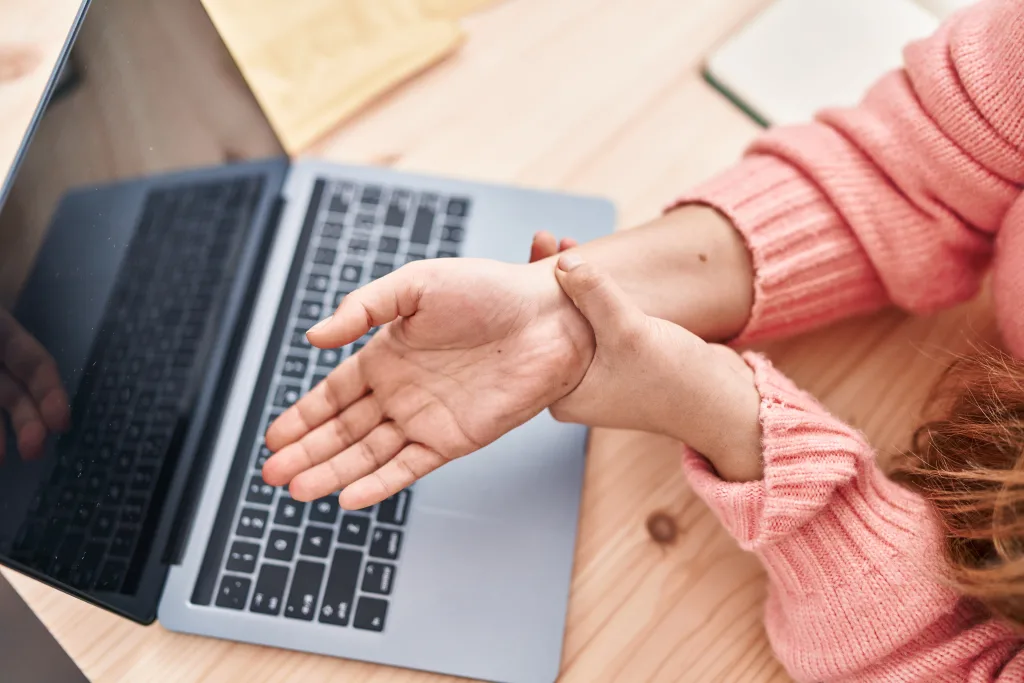
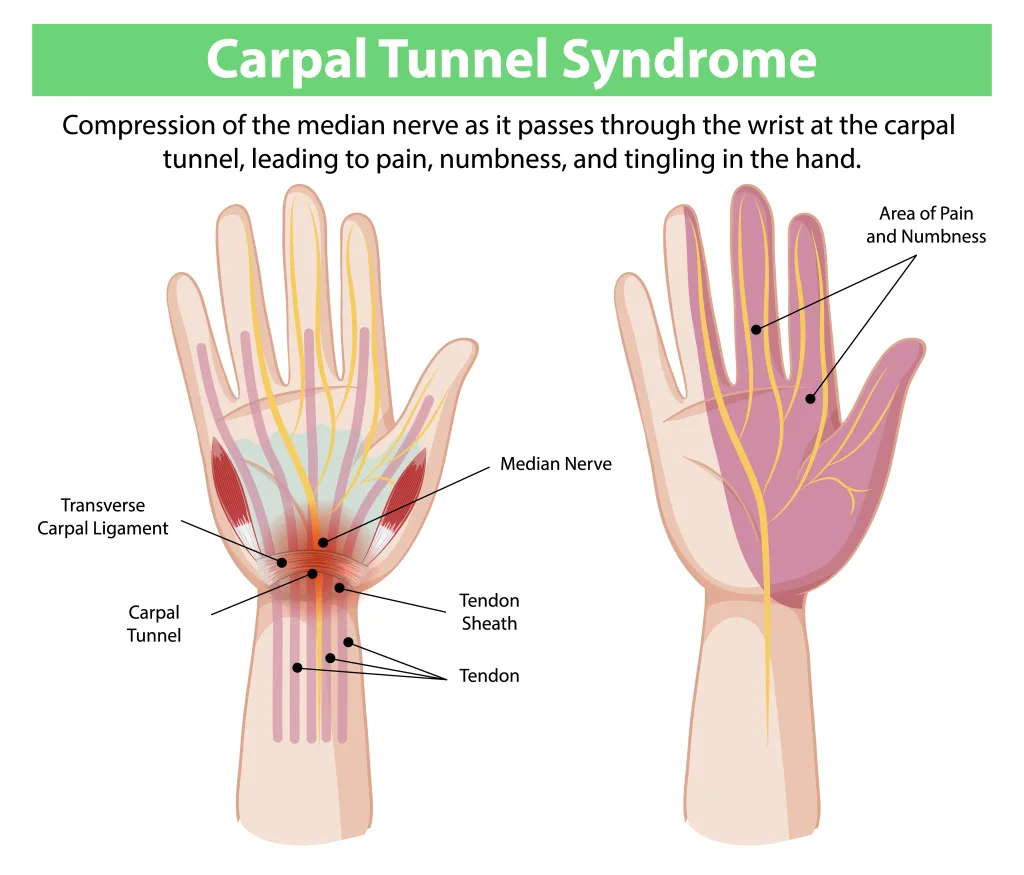
  • Carpal Tunnel Syndrome: Compression of the median nerve in the wrist
    • Local compression by scar tissue or muscle compression in the wrist and other areas along the median nerve leading to the central spine
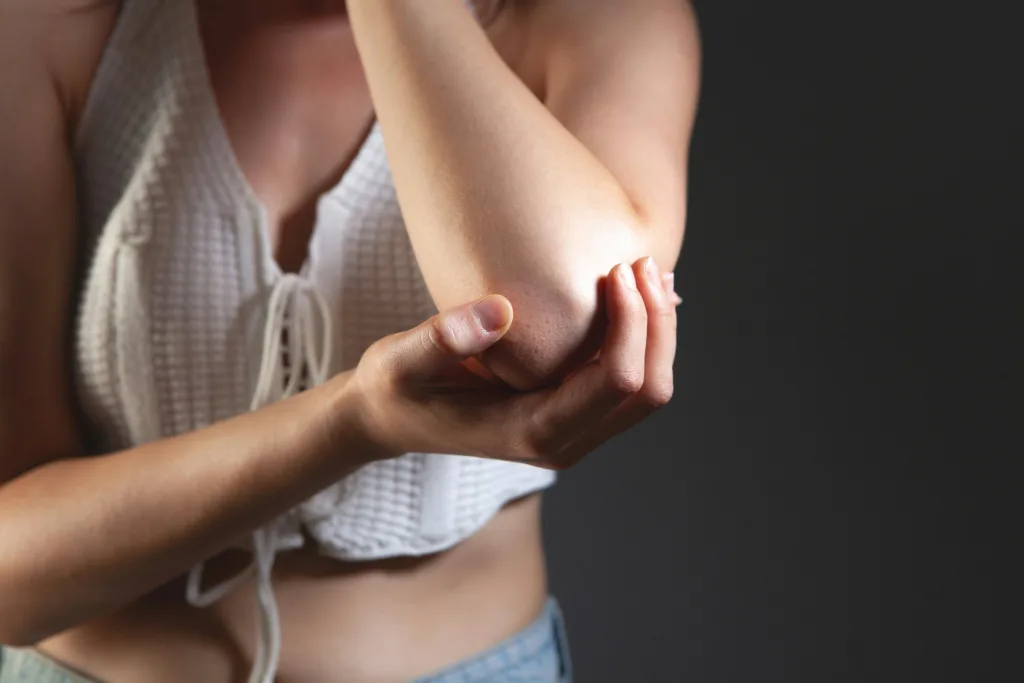
  • Cubital Tunnel Syndrome: Pinched ulnar nerve near the elbow causing pain, numbness, tingling, or weakness in the hand or ring finger, especially when the elbow is bent.
  • Cervical Radiculopathy – Cervical radiculopathy is a pinched nerve in the neck caused by compression of a cervical nerve root, resulting in neck stiffness, radiating arm pain, and hand tingling.
  • Sciatica: Compression of the sciatic nerve, which runs from the lower back down to the legs
  • Repetitive Muscular Strain: Overuse of muscles or tendons can lead to nerve compression or spasm.

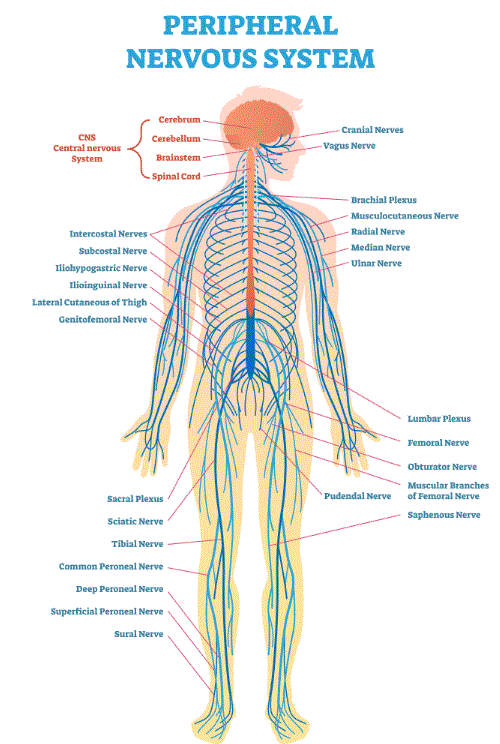
Peripheral Nerve PathwaysHow Does Acupuncture Work?

Acupuncture combines ancient Chinese medicine with modern anatomical knowledge to support nerve function, mobility, strength, and overall wellness. Acupuncture uses thin needles inserted into specific points, with traditional acupuncture focusing on unblocking and moving energy, or “Qi,” along the body’s channels. Sports Medicine Acupuncture targets motor points and nerve pathways to improve nerve signaling, helping the body restore proper movement, strength, tension, and physical function. These two approaches compliment each other, enhancing their combined effectiveness.

Modern research highlights multiple ways acupuncture supports pain management. By stimulating the nervous system, acupuncture activates pain-relieving mechanisms, releasing endorphins and neurotransmitters that reduce pain and inflammation. Electro-acupuncture uses targeted frequencies to reset dysfunctional nerve signaling within their pathways of action. Acupuncture also improves blood flow, which helps deliver oxygen and nutrients to affected areas, reducing muscle spasms and promoting relaxation around the nerve. This muscle relaxation helps relieve pressure on compressed nerves, which is especially beneficial in cases of pinched nerves.

How Acupuncture Helps Pinched Nerves:

  1. Pain Relief: Acupuncture releases natural painkillers, providing significant relief from the sharp, shooting pain typical of pinched nerves
  2. Reduced Muscle Tension: Acupuncture releases tight bands of muscles that pinch nerves & radiate pain. Reducing muscle tension increases the flow of fluids to the tissues and helps with normal signaling patterns of the nerves.
  3. Improved Blood Flow: Acupuncture boosts circulation to the affected area, bringing oxygen and nutrients that support tissue repair, reduce spasmed areas, and help reduce pressure on irritated nerves.
  4. Reduced Inflammation: It modulates the inflammatory response, decreasing swelling and pressure around the nerve.
  5. Improved Nerve Function: Enhanced blood flow and reduced muscle tension aid in restoring normal nerve function, relieving numbness and weakness.
  6. Enhanced Mobility & Strength: Acupuncture improves range of motion & strength. Less compression of nerves leads to easier mobility & increased signal to muscles for strength for those with pinched nerve issues.

Clinical evidence and in-clinic observation suggest acupuncture is an effective treatment for pinched nerves, offering a holistic approach to pain relief and functional improvement.

What to Expect During Acupuncture Treatment

If you decide to try acupuncture for your pinched nerve, here’s what you can expect:

  • Initial Consultation: Your acupuncturist will take a detailed history of your symptoms and overall health to develop a personalized treatment plan. Mobility & strength of the upper and lower body will also be assessed.
  • Needle Insertion: The acupuncturist will insert thin, sterile needles into specific acupoints. You may feel a slight tingling or warmth, but the process is generally painless. The insertion can be either quick releases of muscle tissue, retained needles, or a combination depending on your treatment plan. Electro-Acupuncture is applied as needed.
  • Relaxation Period: The needles will stay in place for ~20 minutes while you relax. Many patients find this part of the treatment very calming.
  • Follow-Up Sessions: Multiple sessions are often needed for optimal results. Your acupuncturist will recommend a treatment schedule based on your condition.

How Many Treatments Will I Need?

The number of treatments depends on a few factors:

Your Symptom Stage (Relief → Correction / Root Cause → Maintenance)
Relief: calming pain, tension, or nerve irritation
Correction / Root cause: correcting movement, strength, or structural issues
Maintenance: preventing flare-ups and supporting long-term function

Acute conditions:
If you’re dealing with recent injuries or sudden issues within the last few months, you may notice significant improvement after just a few sessions. Typically acute conditions require only 1–5 treatments compared to long-term issues.

Chronic conditions:
Chronic issues or long-term systemic conditions usually require more sessions. A typical plan involves 2 visits per week for the first 2–3 weeks, with treatments spreading out as you progress. Chronic issues often need more total sessions and may benefit from follow-up or maintenance care.

Maintenance:
Many patients choose occasional visits to keep pain from returning and to support active lifestyles.

We’ll regularly reassess your progress and adjust your treatment plan as you improve.


Conclusion

So, Will acupuncture help a pinched nerve?

The answer for many is YES! Acupuncture offers a natural, non-invasive way to alleviate pain, reduce inflammation, and improve nerve function. If you’re struggling with a pinched nerve, consider consulting a licensed acupuncturist to see if this ancient practice could be the key to your relief. Always consult with your healthcare provider before beginning any new treatment to ensure it’s appropriate for your specific condition.

Experience the benefits of acupuncture for pinched nerves. Schedule your session and feel the difference!

If you’re interested in learning more about how acupuncture can help with pinched nerves or other health conditions, contact us at Big Easy Acupuncture & Herbal Medicine to schedule a consultation. Our experienced practitioners are here to guide you on your healthy mind & body journey.

Phone: 504-650-0027

Foot Drop

Acupuncture for Foot Drop in Metairie, LA | Big Easy Acupuncture

Foot drop can feel scary and limiting, especially when it affects your balance, walking, or confidence. Many people notice their foot dragging, slapping the ground, or feeling weak when trying to lift the front of the foot. Over time, this can change posture, create pain in other areas, and make daily movement harder.

Many of our patients with foot drop want to stay active, keep working, or move with confidence day to day. Our goal is to help you return to the life you want to live.

At Big Easy Acupuncture in Metairie, we combine orthopedic testing, Sports Medicine Acupuncture, electro-acupuncture, and targeted neuromuscular work to help restore function, reduce nerve irritation, and support the muscles involved in lifting the foot. Our goal is not only to help the foot move better but to support the entire chain: the leg, hip, lower back, and nervous system.

Your body can recover, even if this has been going on for a while. There are real treatment options, and progress is possible. 

Whether your foot drop is new or long-standing, acupuncture can help your body recover and regain stability.


What Is Foot Drop?

Foot drop means the muscles that lift the front of the foot are not working well. This can happen for many reasons and may affect one or both sides. Common signs include:

  • Difficulty lifting the foot while walking
  • The foot dragging or slapping the ground
  • Trouble stepping up or walking on uneven surfaces
  • Numbness or tingling
  • Weakness in the shin or foot muscles
  • Needing to lift the knee higher to avoid tripping

Foot drop is not a diagnosis on its own. It is a sign that something is affecting the nerves or muscles that control the foot.


Common Causes of Foot Drop

Foot drop can come from many conditions, including:

  • Peroneal nerve compression near the knee
  • Knee replacement surgery
  • Viral infection
  • Lower back issues such as herniated discs or sciatica
  • Lumbar nerve irritation
  • Muscle weakness or disuse
  • Post-surgical nerve irritation
  • Diabetes-related nerve issues
  • Stroke or neurological conditions
  • Head injury
  • Long-term crossing of legs or pressure on the outer knee

Understanding the cause is the first step in choosing the right treatment.


How We Evaluate Foot Drop at Big Easy Acupuncture

During your first visit, we assess:

  • Nerve pathways from the lower back to the foot
  • Muscle strength and motor firing patterns
  • Sensation changes such as numbness or tingling
  • Tension in the hip, lower back, and glute muscles
  • Walking, balance, and foot mechanics
  • Compression points along the peroneal nerve

This gives us a clear map of what is causing the weakness and how to treat it.


How Acupuncture Helps Foot Drop

Acupuncture can help foot drop by supporting both the nerves and the muscles they control.

Acupuncture helps by:

  • Reducing inflammation around irritated nerves
  • Improving blood flow to the lower leg and foot
  • Stimulating motor points to help muscles fire again
  • Reducing compression along the peroneal nerve
  • Supporting the lower back and L5 nerve root
  • Helping the brain reconnect to the muscles of dorsiflexion
  • Relaxing overactive muscles that block normal movement

Electro-acupuncture is often used to help activate weak muscles and retrain the nervous system to send clear signals to the foot.


What a Foot Drop Treatment Looks Like

Most sessions include:

  • Targeted acupuncture on motor points in the lower leg
  • Electro-acupuncture to improve muscle activation
  • Manual therapy to release tension in the hip, lower back, or glutes
  • Work on the peroneal nerve pathway
  • Corrective exercises to reinforce movement between visits

As strength returns, treatment focuses on stability, balance, and gait.


Why patients choose us:

    • Advanced training in Sports Medicine Acupuncture
    • Detailed orthopedic assessment – mobility and strength assessment
  • Electro-acupuncture for motor point activation
  • Manual therapy and corrective exercises
  • Support for both nerve and muscle recovery
  • A calm, private setting focused on your progress

How Many Treatments Will I Need?

The number of treatments depends on a few factors:

Your Symptom Stage (Relief → Correction / Root Cause → Maintenance)
Relief: calming pain, tension, or nerve irritation
Correction / Root cause: correcting movement, strength, or structural issues
Maintenance: preventing flare-ups and supporting long-term function

Acute conditions:
If you’re dealing with recent injuries or sudden issues within the last few months, you may notice significant improvement after just a few sessions. Typically acute conditions require only 1–5 treatments compared to long-term issues.

Chronic conditions:
Chronic issues or long-term systemic conditions usually require more sessions. A typical plan involves 2 visits per week for the first 2–3 weeks, with treatments spreading out as you progress. Chronic issues often need more total sessions and may benefit from follow-up or maintenance care.

Maintenance:
Many patients choose occasional visits to keep pain from returning and to support active lifestyles.

We’ll regularly reassess your progress and adjust your treatment plan as you improve.


TCM Perspective on Foot Drop

In Traditional Chinese Medicine, foot drop may be linked to:

  • Weakness in the Kidney or Liver channels
  • Blockage along the Gallbladder or Stomach channels
  • Lack of smooth circulation of qi and blood to the leg
  • Trauma or long-term strain disturbing the channels that nourish the foot

Treatment focuses on restoring circulation, strengthening the body’s foundation, and supporting nerve pathways.


What Patients Often Notice

People with foot drop commonly report improvements such as:

  • Gentle activation of the lower leg
  • Better control when lifting the foot after treatment
  • A lighter, smoother step when walking
  • Less dragging or tripping
  • Stronger and more stable walking
  • Reduced numbness or tingling
  • Less strain in the hip or lower back
  • Feeling more stable on uneven ground, getting back to longer walks, or simply moving through daily tasks with more control
  • More confidence with movement

Small improvements build over time, and consistent care helps the nervous system relearn proper movement patterns.


When to Seek Care

Foot drop should be evaluated as soon as possible, especially if:

  • It came on suddenly
  • There is severe numbness
  • Leg pain travels from the lower back
  • Walking feels unstable

Early treatment often leads to better outcomes.


Foot Drop Treatment at Big Easy Acupuncture 

If you are ready to explore acupuncture for foot drop:

Location: Big Easy Acupuncture & Herbal Medicine – Metairie, LA
Scheduling: Book by call, text, or online anytime at bigeasyacu.janeapp.com
Care style: One-on-one treatments focused on nerve function, muscle activation, and long-term recovery

Feel Right. Move Free. Live Easy.

504-650-0027 Directions Contact/Schedule