
How Acupuncture Works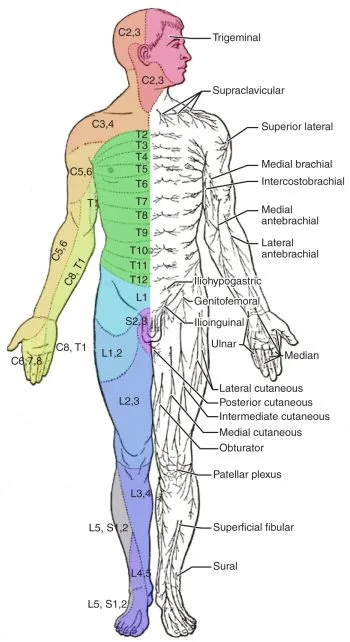
From a Modern Medical Perspective
Research shows that acupuncture:
- Stimulates the nervous system – Needle insertion activates sensory nerves, signaling the brain and spinal cord to release natural painkillers like endorphins and serotonin.
- Nerve compression and acupuncture: When nerves are compressed, stretched, or irritated due to muscle tension, poor posture, internal masses, scars, or injury then they can cause localized pain or radiating discomfort. Acupuncture helps relieve this pressure by relaxing surrounding muscles, improving circulation, and restoring proper nerve signaling, which can reduce pain along the affected nerve pathways.
- Improves circulation – Needling increases blood flow to injured or stagnant areas, delivering oxygen, nutrients, and immune support to promote healing.
- Reduces inflammation – Acupuncture can lower inflammatory markers and reduces inflammation in surrounding areas of affected tissue, easing swelling and discomfort.
- Regulates body systems – Helps balance the autonomic nervous system, reducing stress, improving sleep, and enhancing digestion.
From a Traditional Chinese Medicine Perspective
In TCM, acupuncture works by restoring the flow of Qi (pronounced “chee”), the body’s vital energy through channels called meridians. Qi movement allows for blood to move fluidly and not stagnate and impure fluids and waste to move through our body and be disposed.
When Qi is blocked, deficient, or unbalanced, it can lead to pain, fatigue, or illness. By gently inserting sterile, hair-thin needles into specific acupuncture points, we can clear blockages, nourish deficiencies, and restore balance between Yin and Yang. These are complementary forces that maintain health but also act as symbols for comparison or balance. This process supports your body’s natural ability to heal and function optimally.
How Traditional Chinese Medicine Understands Balance
In Traditional Chinese Medicine, acupuncture works by supporting the smooth movement of Qi, or functional energy, through the body. Qi is closely linked with circulation, nerve signaling, and tissue health.
Qi travels along pathways called meridians, which connect to organ systems and influence muscles, joints, and nerves throughout the body. When this movement is steady, the body can adapt, recover, and maintain balance.
Stress, injury, overuse, poor sleep, illness, or prolonged strain can disrupt this system. When regulation breaks down, pain, fatigue, tension, or other symptoms may appear. Acupuncture helps restore balance by supporting normal communication between body systems and improving circulation to affected areas.
Why Restoring Balance Matters
- Biomedical View: Poor circulation, chronic inflammation, nerve dysfunction, and muscle tension can prevent full recovery.
- TCM View: Physical trauma, stress, diet, overwork, and environmental factors can disrupt Qi, Blood, Yin, and Yang, weakening your body’s defenses.
Whether explained as restoring nerve communication and blood supply or harmonizing Qi flow, the goal is the same. Acupuncture helps your body regain its natural balance, resilience, and bring it out of a state of mental/physical pain.
Blockage of the flow of Qi can be detrimental to a person’s health and leads to various signs and symptoms or health concerns.
Read our full article discussing an overview of acupuncture:
Acupuncture: Eastern and Western Perspectives
